










Project Overview
The Richmond Valley Pump Station project represents a highly specialised renewable energy deployment, integrating solar PV infrastructure within a flood-prone operational environment. Delivered for Richmond Valley Council, the project required a design-led approach that balanced energy generation, structural resilience, and uninterrupted critical water infrastructure operations.
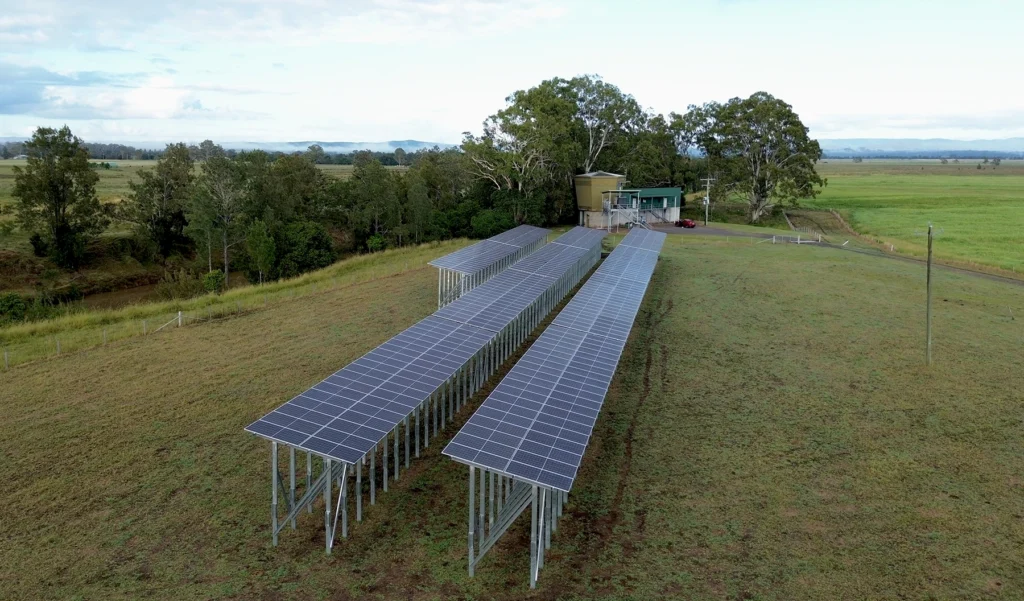
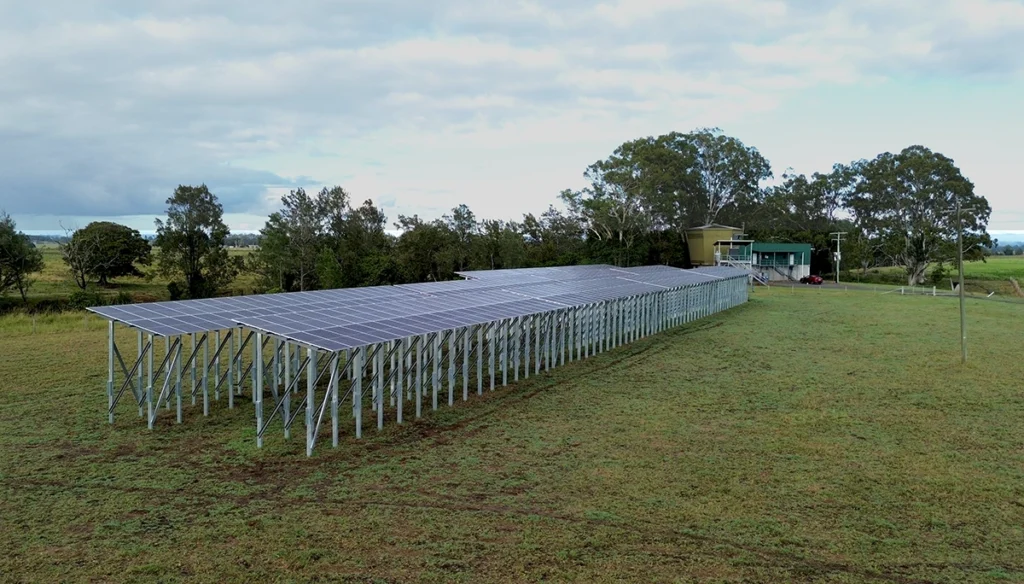
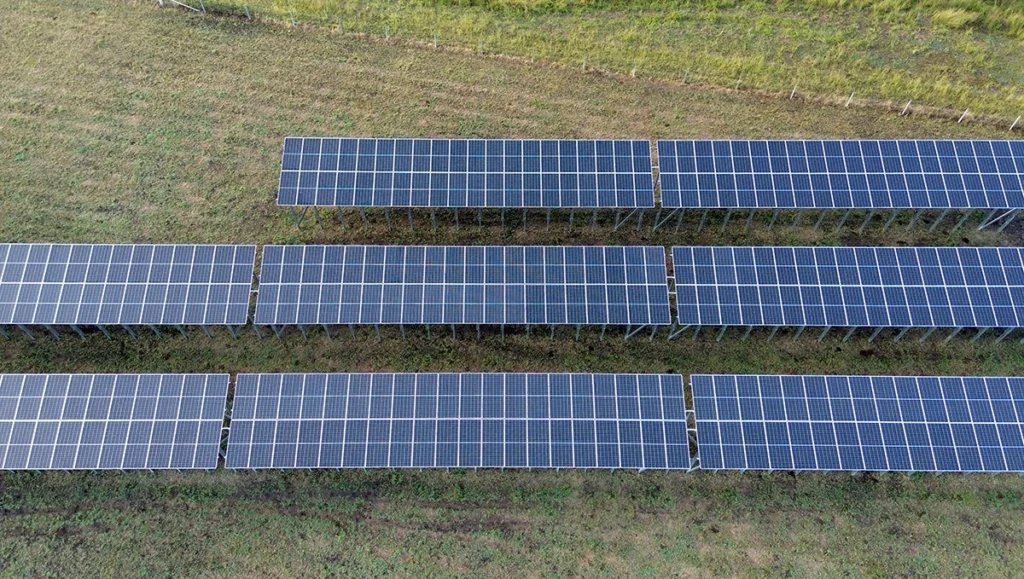
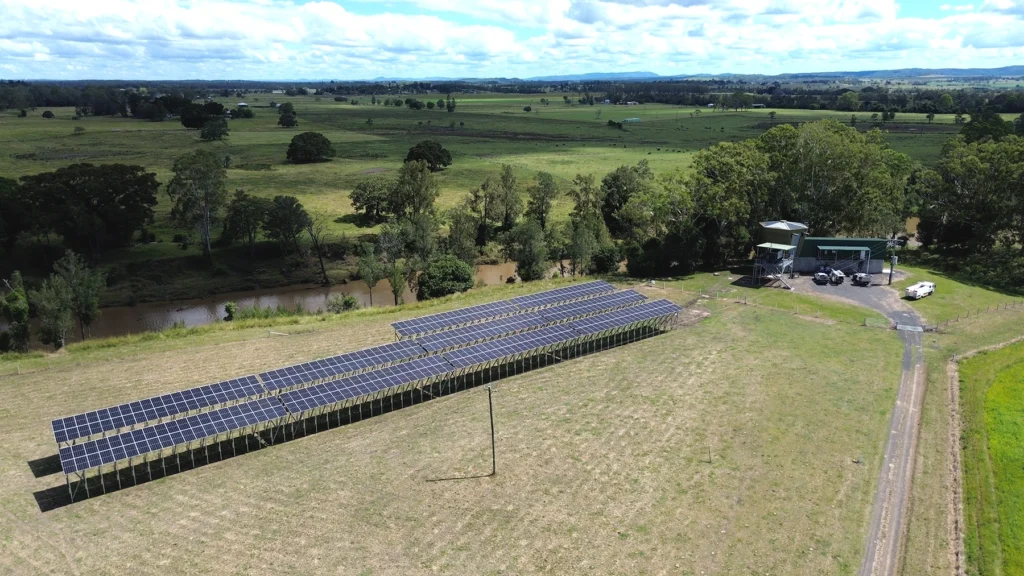
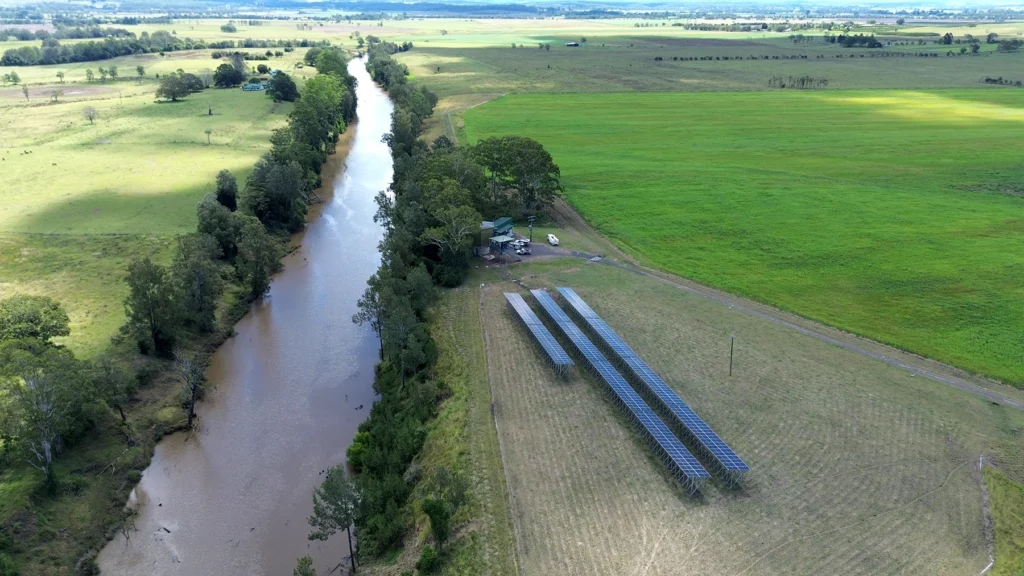
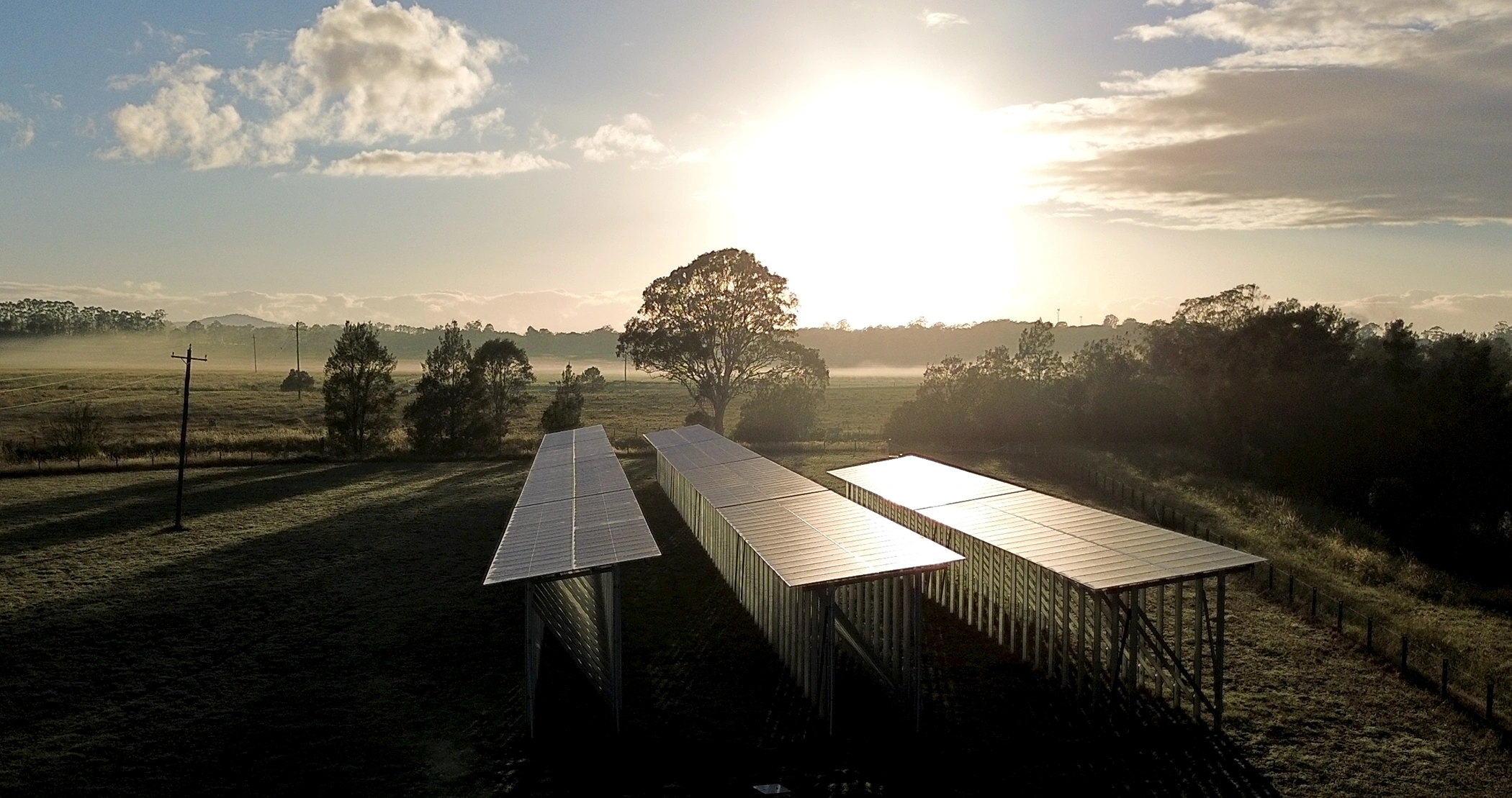
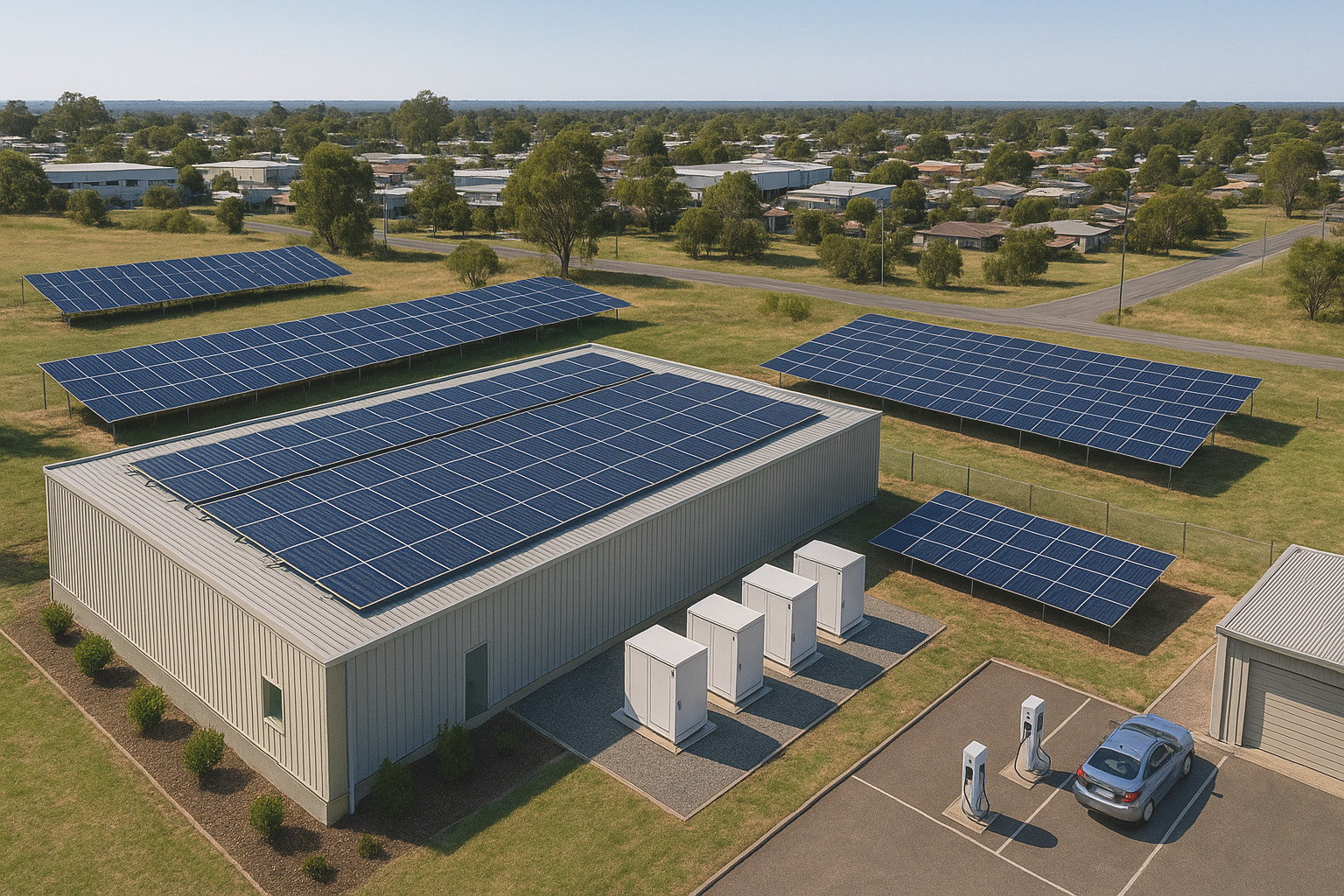
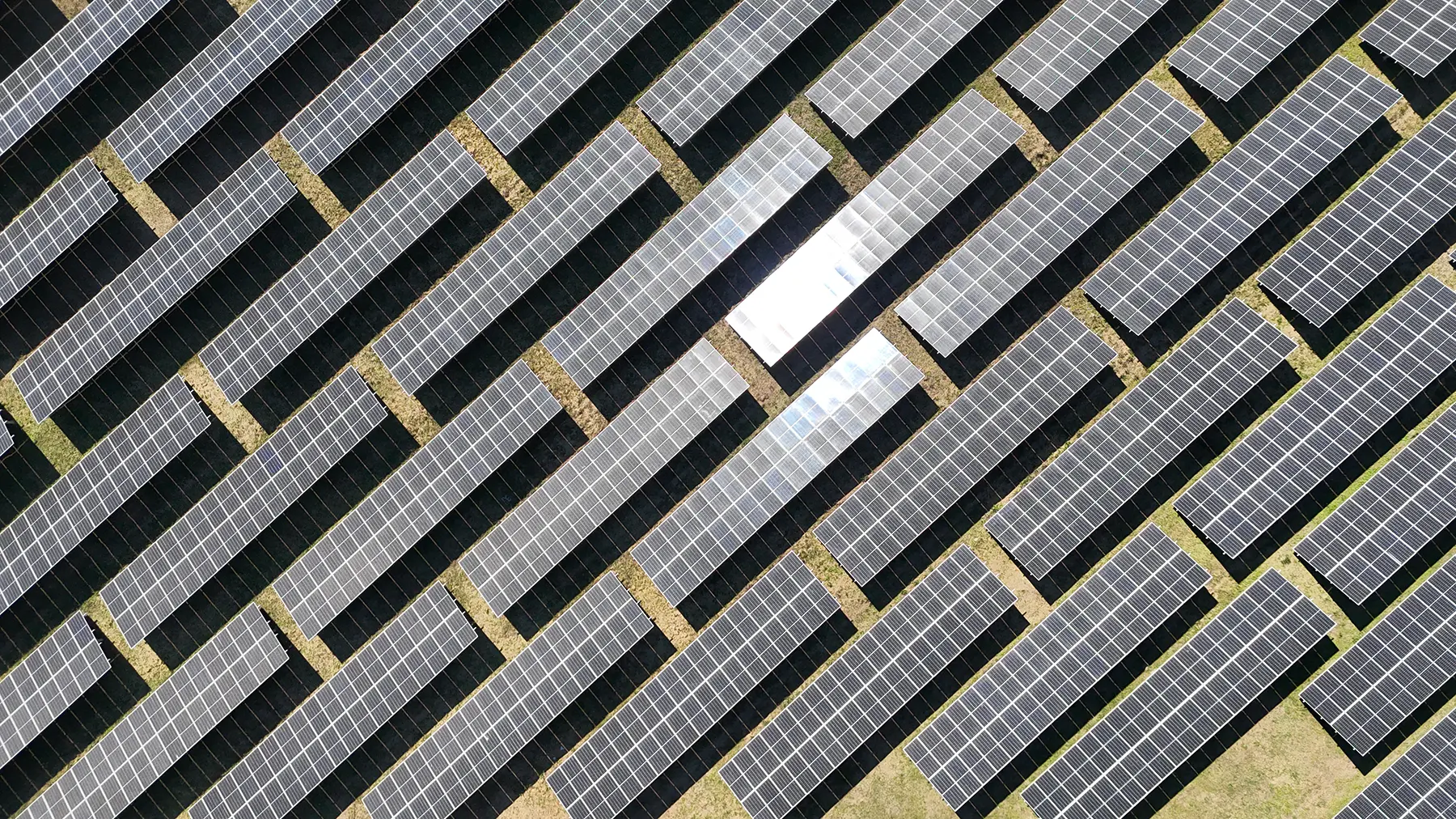
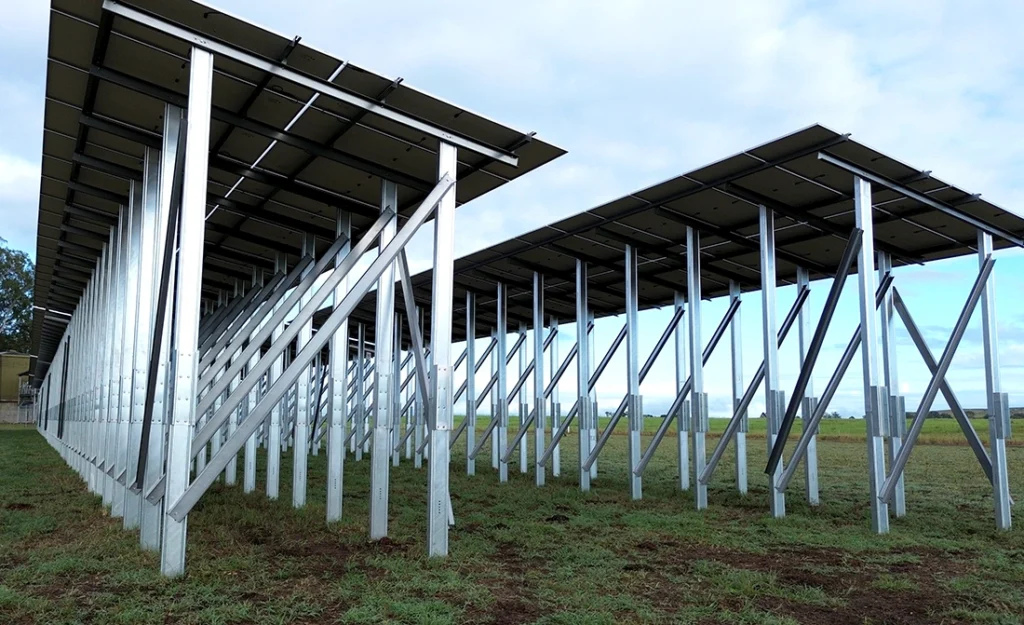
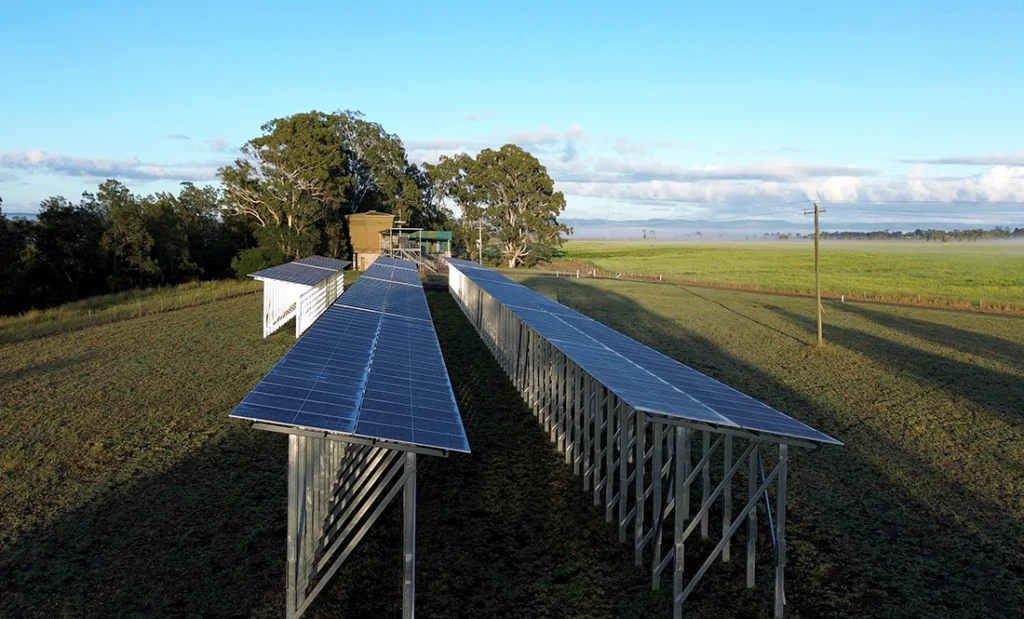
At its core, the project involved the installation of a ground-mounted solar PV system engineered specifically for flood immunity. Unlike conventional ground mount arrays, the system was elevated approximately four metres above ground level to mitigate flood risk, ensuring asset protection and operational continuity during extreme weather events common to the Richmond Valley region.
From an engineering standpoint, the project demanded close integration between civil, structural, and electrical disciplines. The elevated mounting structure was designed in accordance with AS 1170, accounting for wind loading, hydrodynamic forces, and debris impact during flood events. Geotechnical considerations also played a critical role, with footing design tailored to local soil conditions and floodplain behaviour.
Electrically, the system was configured to seamlessly interface with the pump station’s existing load profile, supporting daytime energy offset while maintaining reliability for essential services. Given the critical nature of the asset, system design prioritised robustness, maintainability, and safe access, with all components selected to withstand harsh environmental conditions.
A key challenge on the project was constructability within a live operational site. Works were carefully staged to avoid disruption to pump station functionality, with strict safety controls implemented around access, lifting operations, and working at heights. The elevated structure introduced additional complexity in installation sequencing, requiring detailed planning and coordination across all delivery teams.
This project demonstrates TSP Energy’s capability to deliver technically complex renewable solutions in constrained and high-risk environments. It highlights a broader expertise in designing for resilience, particularly in regional and infrastructure-critical applications where standard solar approaches are insufficient.
From a lifecycle perspective, the Richmond Valley Pump Station aligns with a long-term asset strategy – designed not only for immediate performance but for durability, maintainability, and adaptability in the face of changing environmental conditions.
What led Richmond Valley Council to initiate this project?
The initiation of the Richmond Valley Pump Station solar project by Richmond Valley Council was driven by a combination of operational, financial, and strategic factors typical of critical infrastructure owners, however with a strong emphasis on resilience and whole-of-life value rather than just simple energy savings.
1. Energy Cost Reduction for High-Load Infrastructure
Pump stations are inherently energy-intensive, operating large motors over extended periods. The council was seeking to materially reduce ongoing electricity expenditure, particularly during daytime peak tariff periods. Solar PV provided a direct offset to this load, improving operating cost predictability and reducing exposure to volatile electricity pricing.
2. Protection of Critical Services (Resilience-First Mindset)
Unlike typical commercial solar projects, this was not purely a financial play. The pump station is a critical water infrastructure asset, meaning reliability is non-negotiable. The customer was looking for a solution that could coexist with flood risk and continue delivering value without introducing operational vulnerability.
This is what led to the specialised engineering requirement – an elevated solar structure capable of withstanding flood events while maintaining system integrity.
3. Climate and Environmental Risk Response
The Richmond Valley region has experienced significant flooding events. The council was proactively looking to future-proof infrastructure against climate-related risks. This project forms part of a broader strategy to ensure assets are not only decarbonised but also physically resilient to environmental extremes
4. ESG and Sustainability Objectives (Scope 2 Emissions Reduction)
As a local government body, Richmond Valley Council has increasing accountability around sustainability and emissions reporting.
The project contributes directly to:
5. Long-Term Asset Strategy and Lifecycle Thinking
The customer was not looking for a lowest-cost installation. They were seeking a solution that:
This aligns strongly with a lifecycle-driven procurement mindset, where upfront investment is justified by long-term reliability and reduced intervention costs.
6. Regional Leadership and Demonstration Effect
There is also a reputational and strategic layer. Regional councils are increasingly expected to lead by example in sustainability and infrastructure innovation. This project positions Richmond Valley Council as a forward-thinking authority capable of delivering non-standard, high-performance renewable solutions in challenging environments.
Challenges & Solutions
This project presented a set of non-standard challenges driven by the site’s flood exposure, critical infrastructure status, and integration constraints. The value delivered by TSP Energy was not just in installing solar, but in solving these engineering and operational problems in a structured, risk-managed way.
Flood-Prone Site Conditions
Challenge:
The pump station is located in a known floodplain with a history of significant inundation. A conventional ground mount system would be at high risk of damage, debris impact, and complete loss during flood events.
TSP solution:
Outcome:
A flood-resilient solar asset that maintains integrity and avoids costly replacement or downtime after major weather events.
Maintaining Continuous Operation of Critical Infrastructure
Challenge:
The pump station is an essential service asset. Any interruption to operations during construction or integration posed unacceptable risk to water infrastructure.
TSP solution:
Outcome:
Zero impact to critical operations during delivery, with seamless commissioning into the existing system.
Complex Structural and Civil Integration
Challenge:
Elevating a large solar array introduces significant structural complexity, including load transfer, stability, and constructability at height.
TSP solution:
Outcome:
A structurally sound, maintainable system that meets both engineering and operational requirements.
Constructability and Safety Constraints
Challenge:
Working at height, in a regional environment, on an operational asset introduced elevated safety risks and logistical challenges.
TSP solution:
Outcome:
Safe project delivery with no compromise to workforce or site safety standards.
Electrical Integration with Existing Load Profile
Challenge:
The system needed to integrate with an existing high-demand pump load without introducing instability or inefficiencies.
TSP solution:
Outcome:
Optimised energy offset with stable and reliable system performance.
Designing for Long-Term Maintenance in a Harsh Environment
Challenge:
Flood-prone, regional sites are difficult and costly to maintain. Poor design would result in ongoing operational inefficiencies.
TSP solution:
Outcome:
Reduced long-term maintenance burden and improved asset longevity.
Project Delivery & Management
The delivery of the Richmond Valley Pump Station project required a highly controlled approach due to the combination of regional logistics, elevated construction, and live infrastructure constraints. The challenges were not limited to engineering design, but extended across procurement, sequencing, safety, and stakeholder coordination.
Regional logistics and mobilisation
Challenge:
The site is located in a regional area with limited access to specialised equipment, skilled labour, and just-in-time delivery options. Transporting large structural components and coordinating trades introduced programme risk.
TSP solution:
Outcome:
Improved programme certainty and reduced exposure to supply chain disruptions.
Constructing an elevated structure
Challenge:
Installation of a 4 metre elevated solar structure introduced significant complexity in lifting, sequencing, and working at heights.
TSP solution:
Outcome:
Safe and efficient installation of a non-standard structure without incident.
Working within a live operational site
Challenge:
The pump station remained operational throughout the project. Any disruption to electrical or mechanical systems posed a risk to essential services.
TSP solution:
Outcome:
No disruption to pump station operations during construction or commissioning.
Integration with existing electrical infrastructure
Challenge:
Connecting new solar generation into an existing switchboard and load profile required careful planning to avoid faults, downtime, or compliance issues.
TSP solution:
Outcome:
Seamless integration with stable system performance from day one.
Safety management in a high-risk environment
Challenge:
The project combined multiple high-risk activities including working at heights, crane lifts, and live electrical works.
TSP solution:
Outcome:
Strong safety performance with no compromise to personnel or site operations.
Programme and weather constraints
Challenge:
Flood-prone conditions and weather variability created uncertainty in scheduling and site access.
TSP solution:
Outcome:
Designed temporary works and access planning to suit site conditions
Coordination across multiple disciplines
Challenge:
The project required tight coordination between civil, structural, and electrical teams, all working within a constrained and active site.
TSP solution:
Outcome:
Efficient delivery with minimal rework and strong alignment across all disciplines.
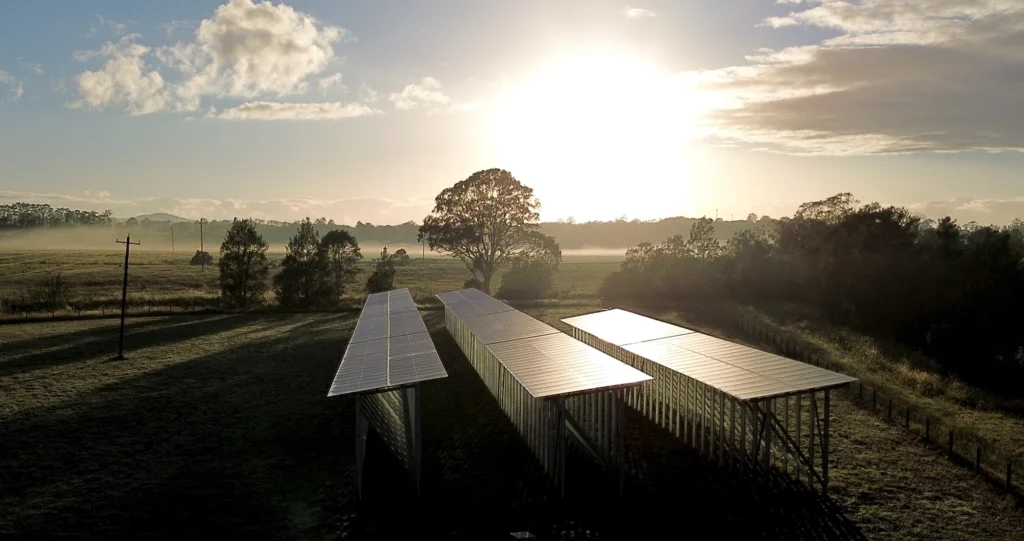

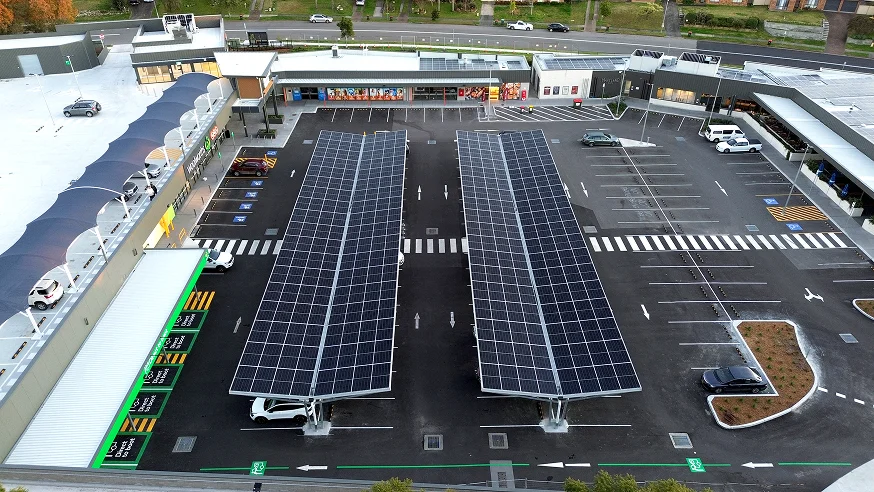
4 m high ground mount

Able to withstand cows grazing underneath