





























When to Deploy a Microgrid
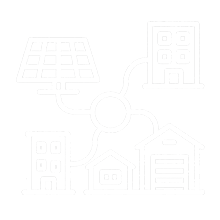
Microgrids are suited to sites with high energy demand, multiple buildings or a need for greater energy control.

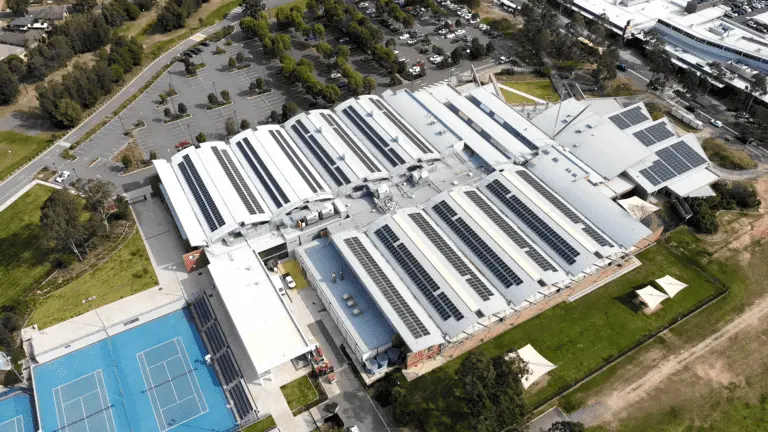
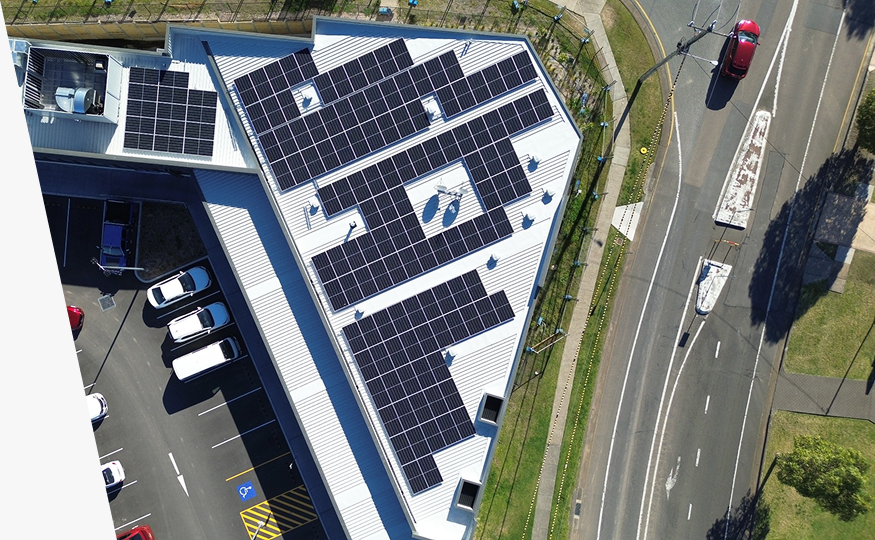
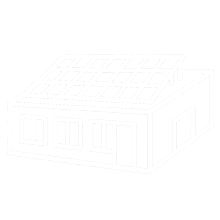
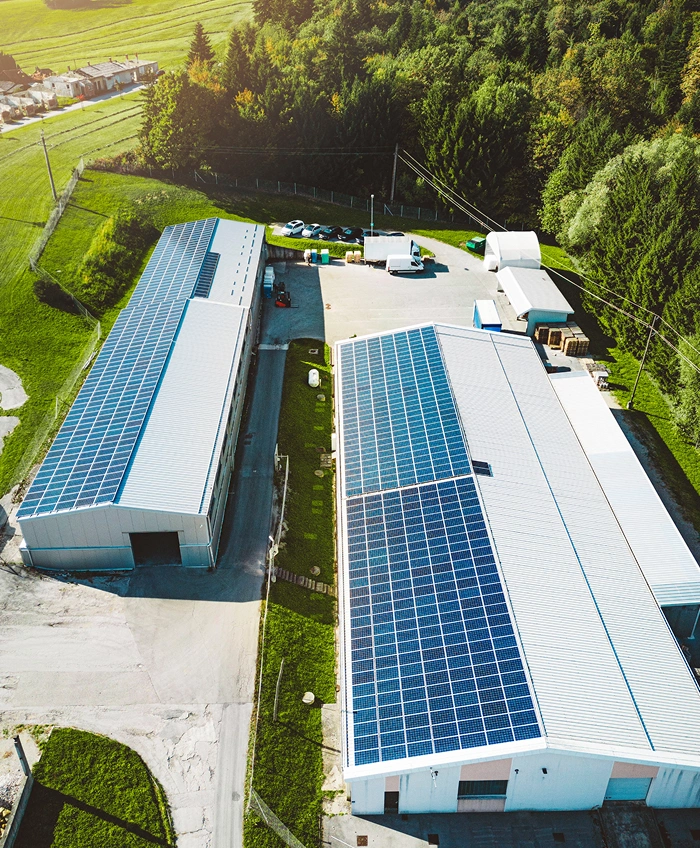
Multi-site or precinct operations
Connect and share energy across warehouses, factories or multi-building facilities.
Energy reliability or cost pressure
Reduce exposure to outages and volatile grid pricing with controlled energy supply.
Industries
Where Microgrids Are Used
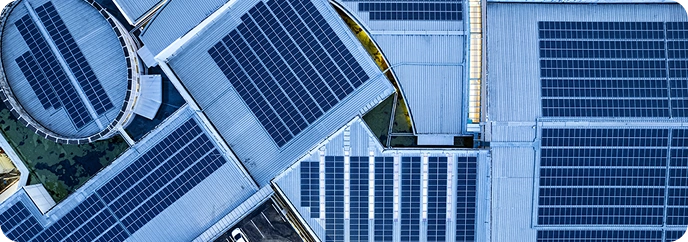
Microgrids are deployed across commercial and industrial environments with high energy demand or multi-building operations.
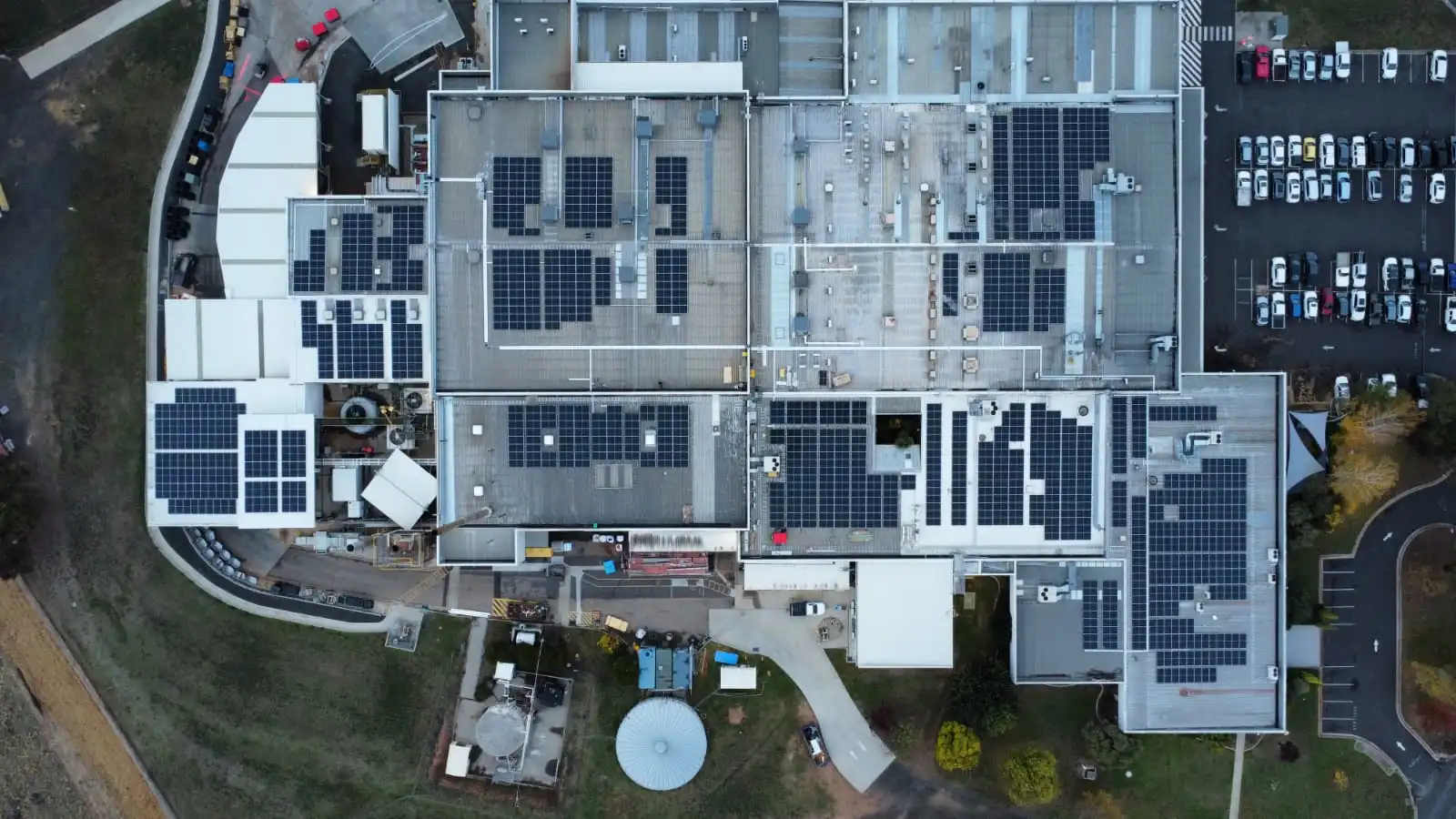
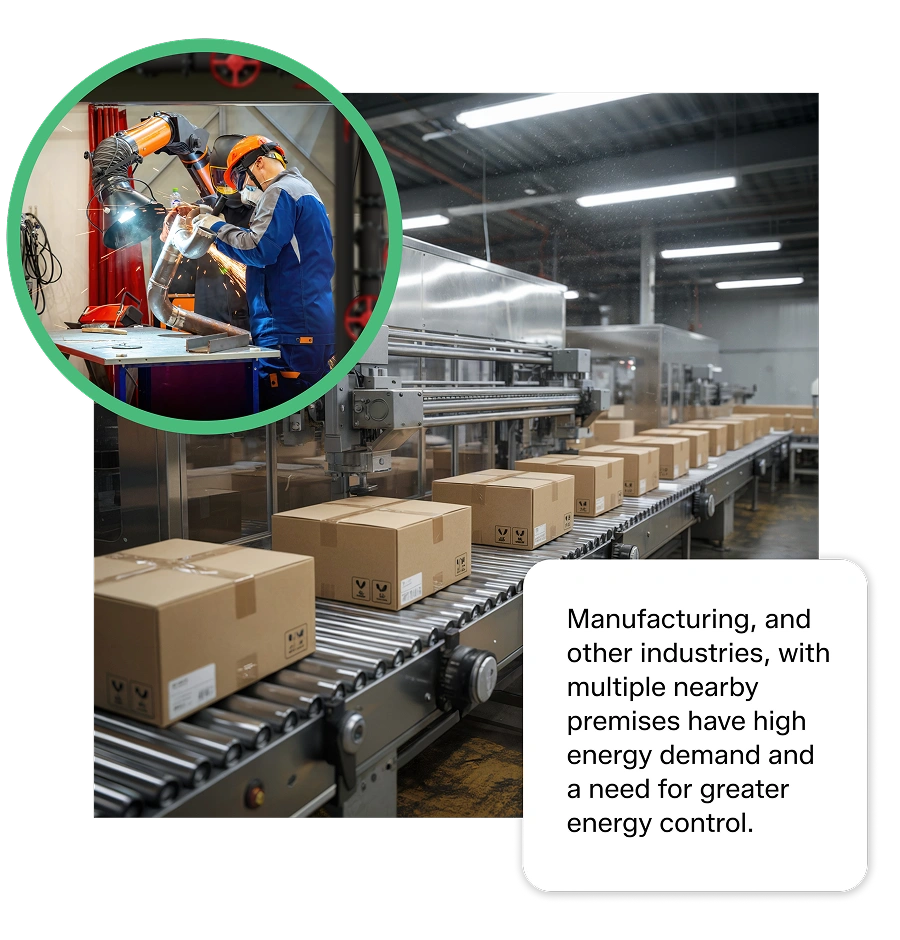
Industrial facilities
Manufacturing sites with continuous energy requirements.
Logistics & Warehousing
Large facilities with distributed energy loads.
Multi-tenant precincts
Shared energy systems across multiple tenants.
Commercial estates
Business parks and campuses with multiple buildings.
Energy Strategy
Microgrids vs Traditional Energy Supply
Traditional grid supply exposes businesses to price volatility and outages. Microgrids provide greater control, reliability and long-term cost stability across commercial operations.
Grid-only supply
Dependent on external pricing and outages.
Microgrid system
Controlled energy supply with integrated generation and storage.
Energy Strategy
Financial Outcomes of Microgrids
Reduced peak demand charges
Lower total energy cost
Improved asset utilisation
Long-term cost predictability
Commercial & Industrial Microgrid FAQs
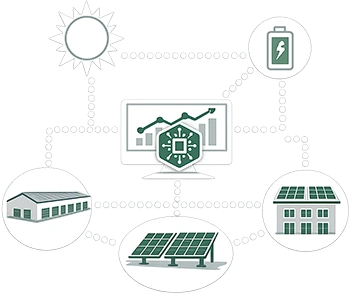
A commercial microgrid is a localised energy system that combines generation, storage, and energy management to power one or multiple facilities. Microgrids can operate alongside the grid or independently, allowing businesses to control how electricity is generated, stored, and distributed across their sites.
Microgrids optimise energy use by combining solar generation, battery storage, and smart energy management. This allows facilities to reduce grid electricity consumption, lower peak demand charges, and improve long-term energy cost stability.
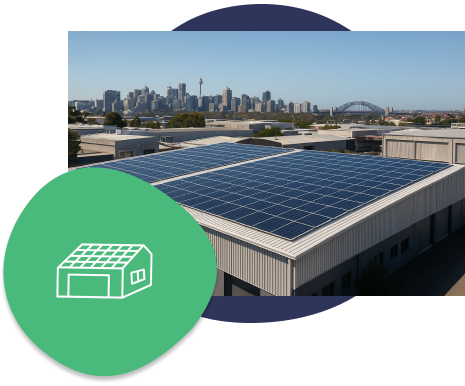
Yes. Microgrids can be designed to supply energy across multiple buildings within a precinct, industrial estate, or multi-tenant facility. Shared energy infrastructure allows solar and battery systems to distribute power where it is needed most.
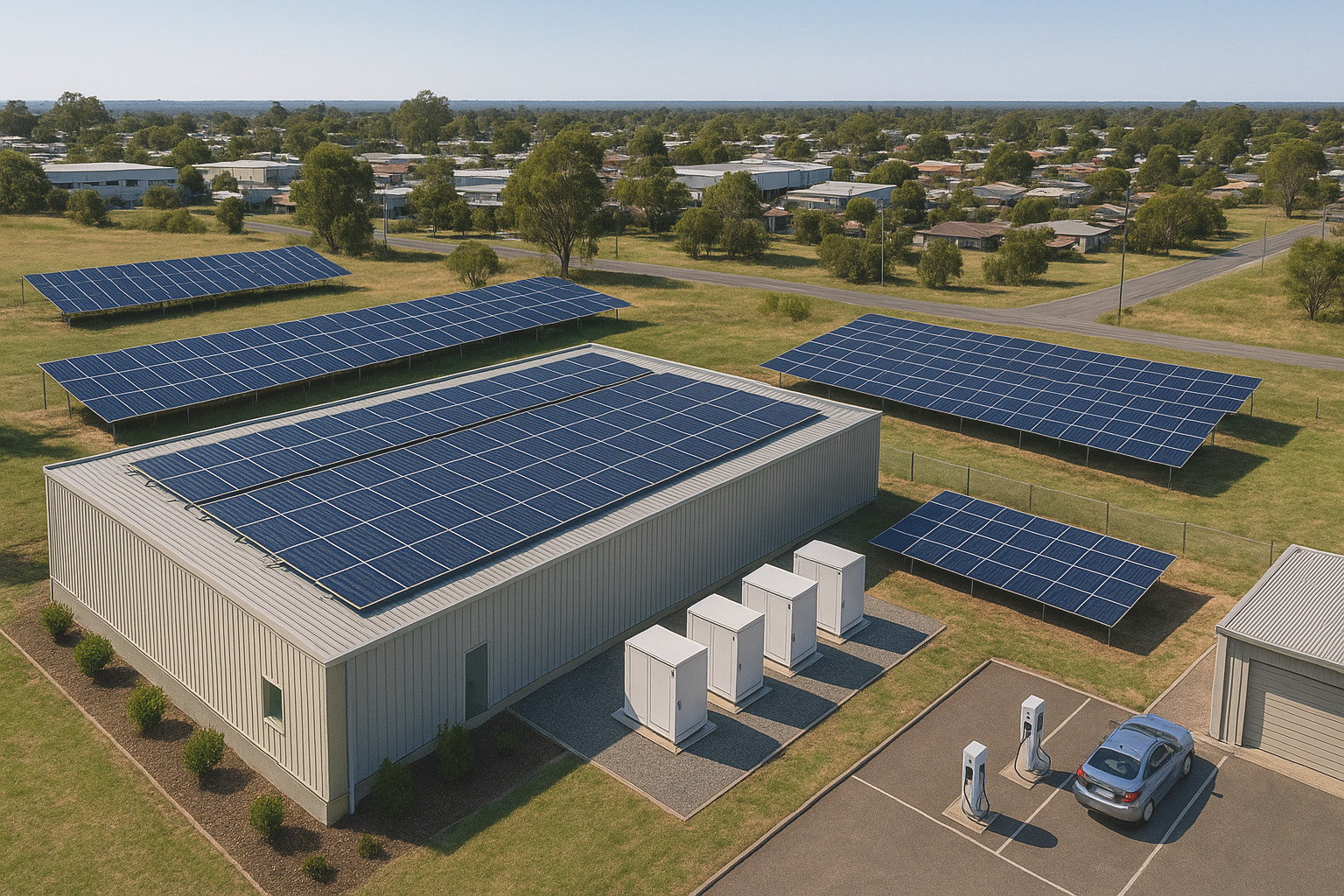
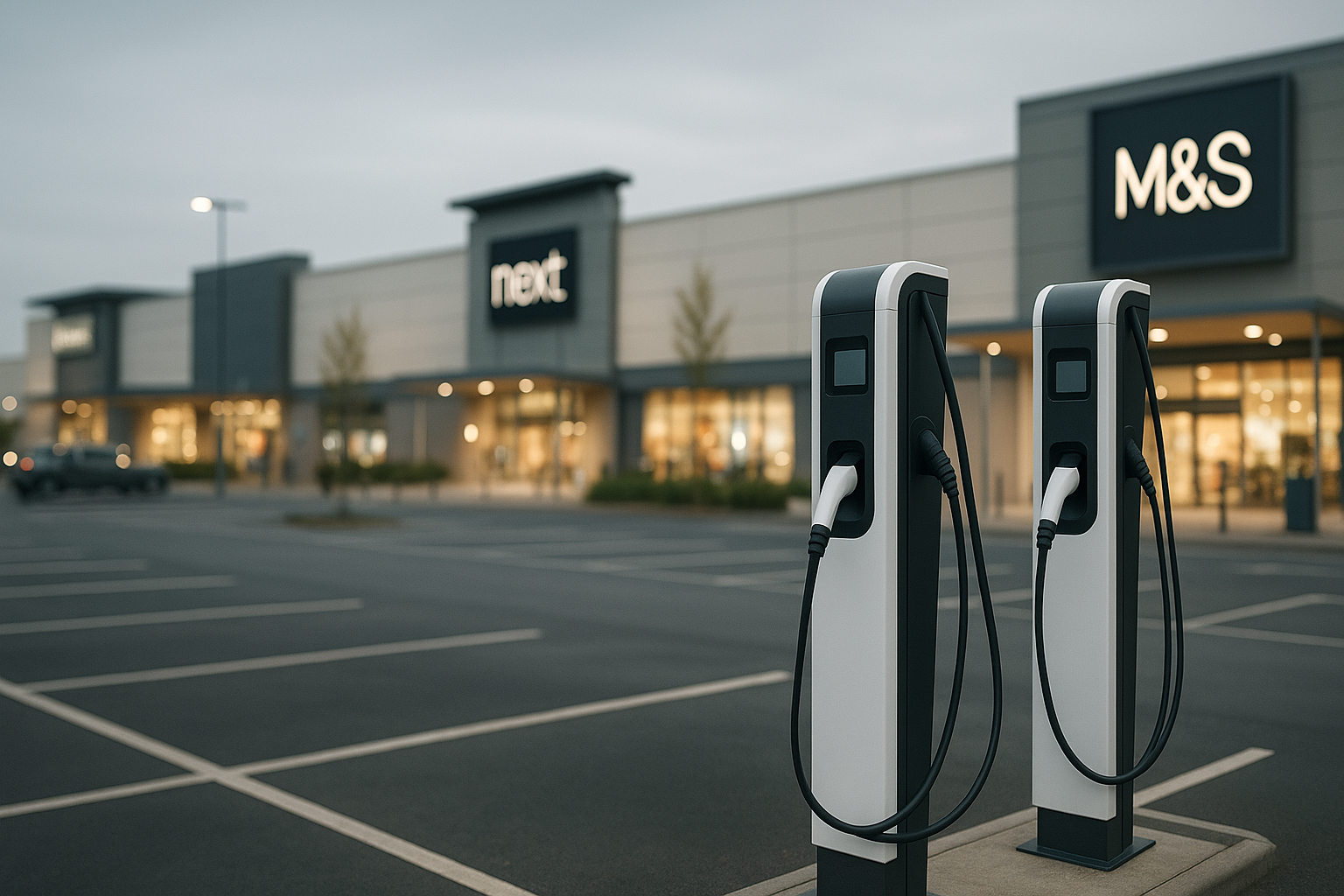
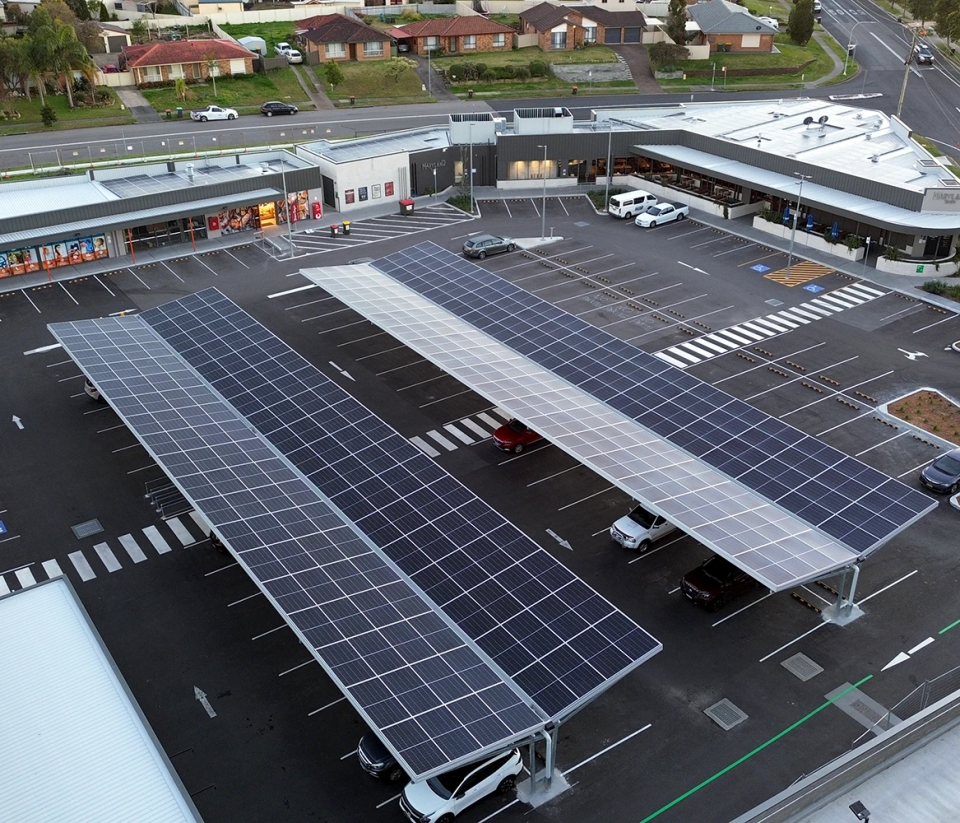
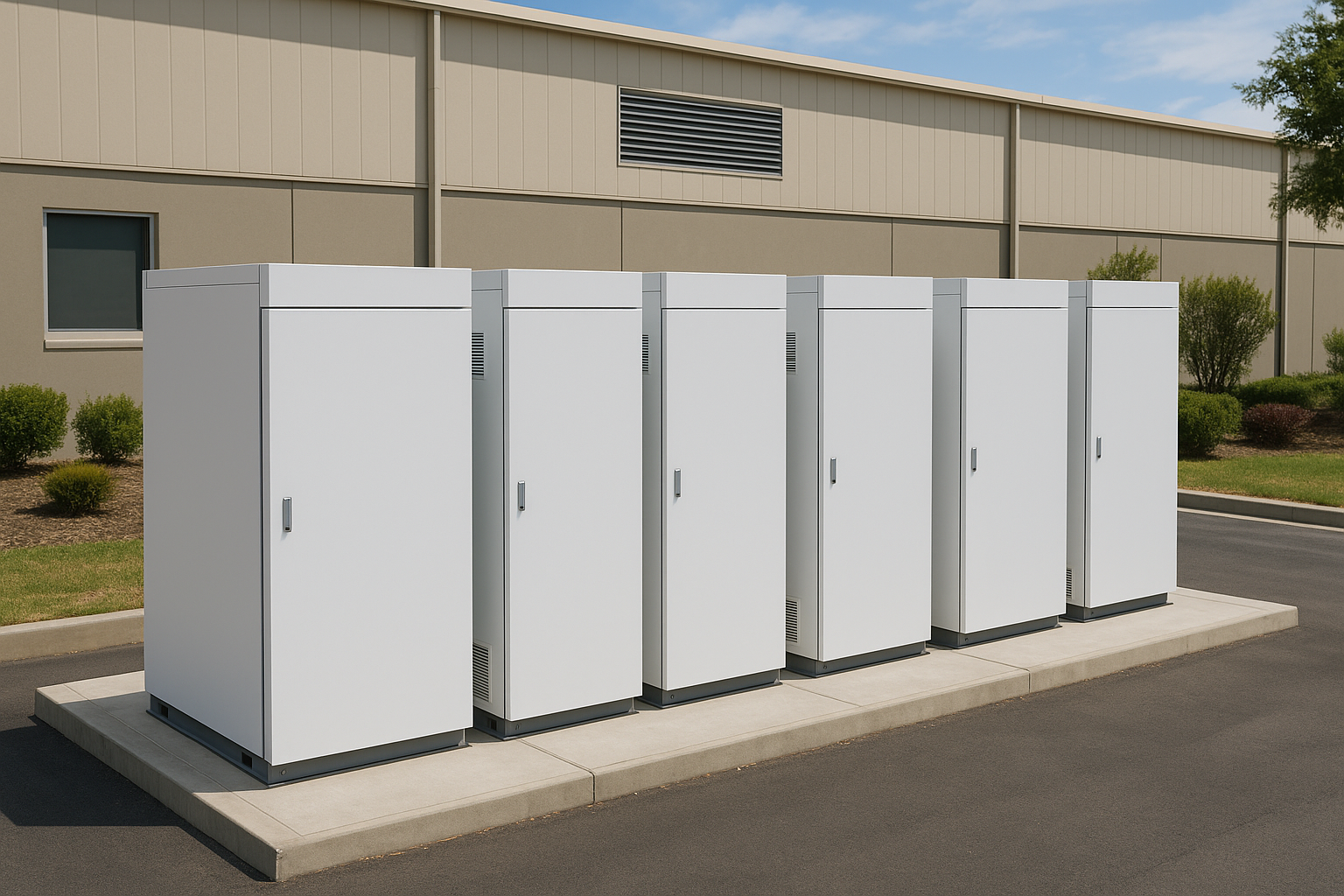
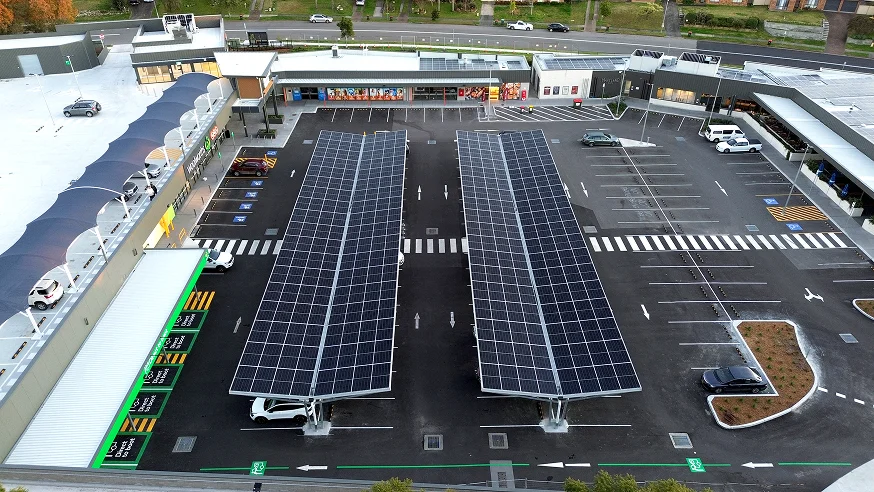
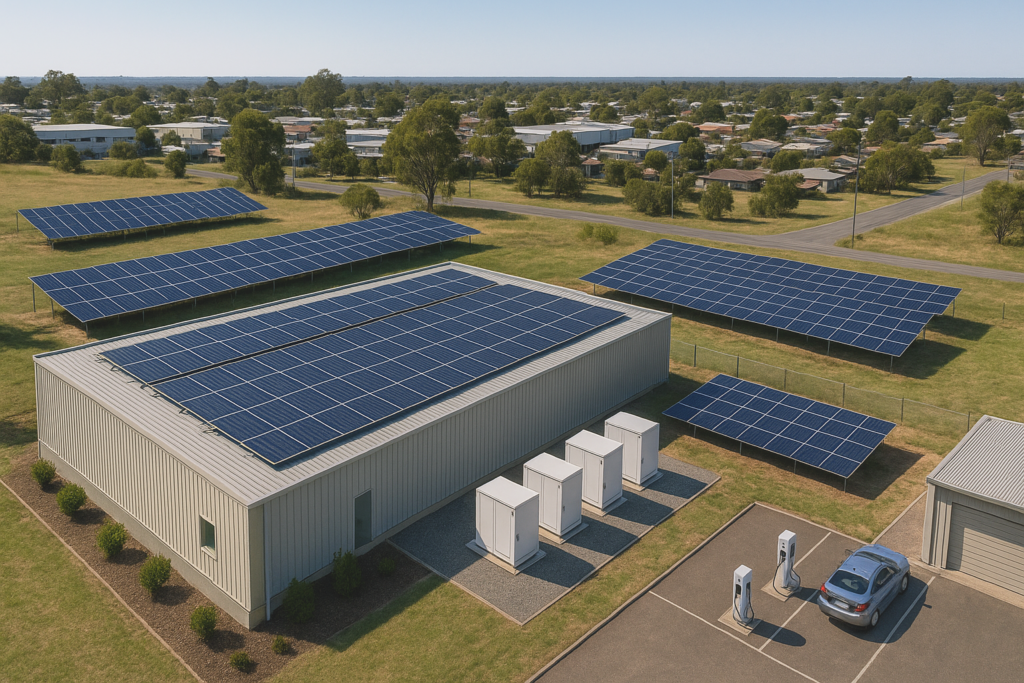
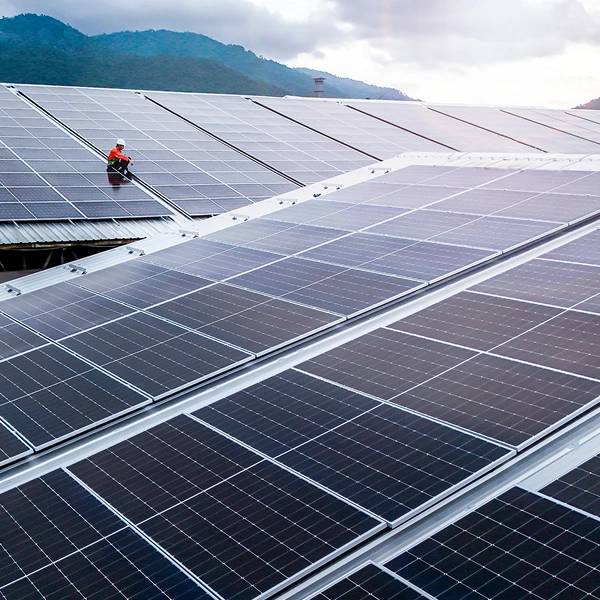
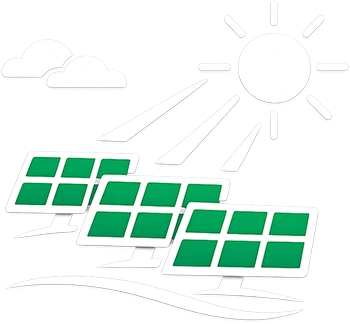
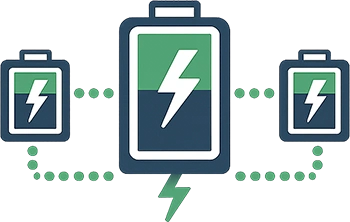
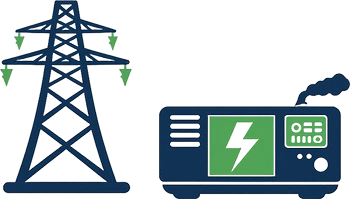
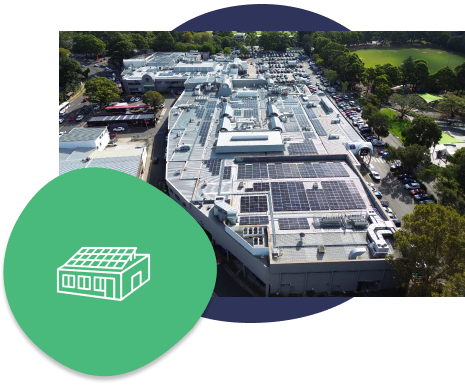
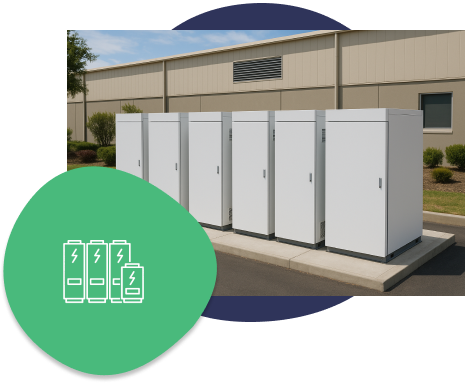
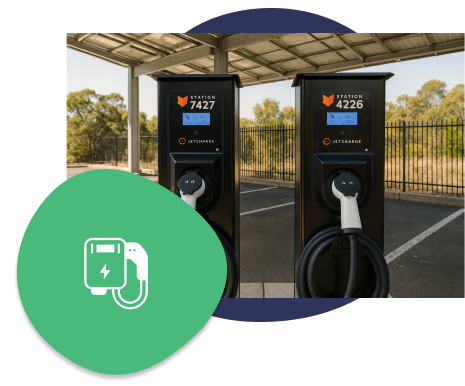
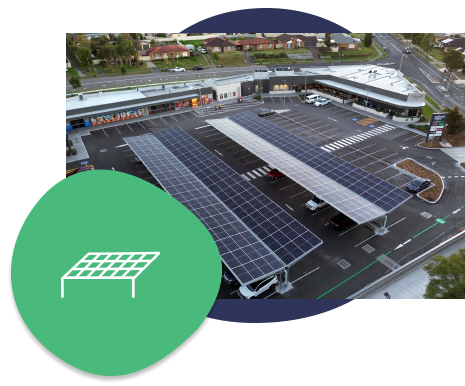
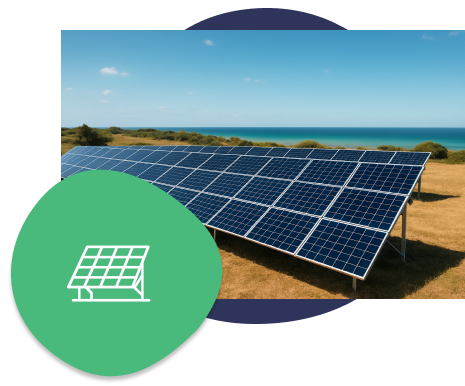
Commercial microgrids often combine rooftop or ground-mount solar, battery storage, EV charging infrastructure, backup generation, and energy management systems. These technologies work together to balance supply, demand, and storage across the site.
Microgrids increase resilience by providing local energy generation and backup power. During grid outages or disruptions, the system can continue supplying electricity to critical operations, helping prevent downtime and production losses.
A solar system generates electricity from sunlight, typically for a single building. A microgrid is a broader energy system that combines solar, batteries, grid connection and/or backup generation to supply and manage power across multiple buildings or facilities.
Yes. Microgrids can operate independently of the grid using solar, battery storage and backup generation. They can also run in a grid-connected mode, switching to independent operation during outages or disruptions.
Yes. Microgrids are well suited to industrial sites with high energy demand, multiple buildings or critical operations. They provide reliable power, reduce downtime risk and improve control over energy costs.
Get In Touch With Us to Discuss Microgrids
Click the button below and fill in your details to get a call back from our team to discuss Microgrids, and for a free quote.