






































EV Infrastructure
Scalable site charging
EV Infrastructure
What Are Commercial EV Charging Systems?
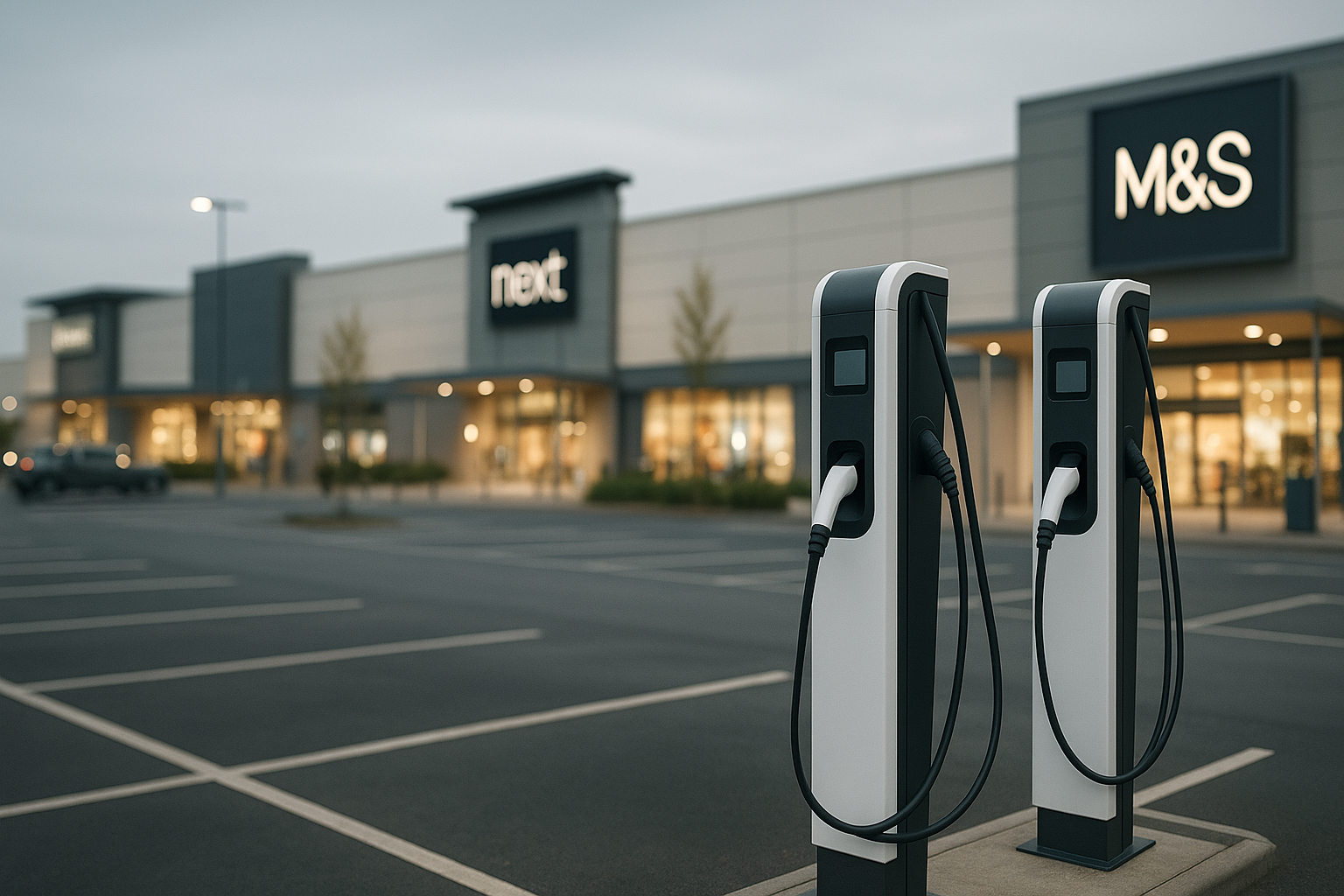
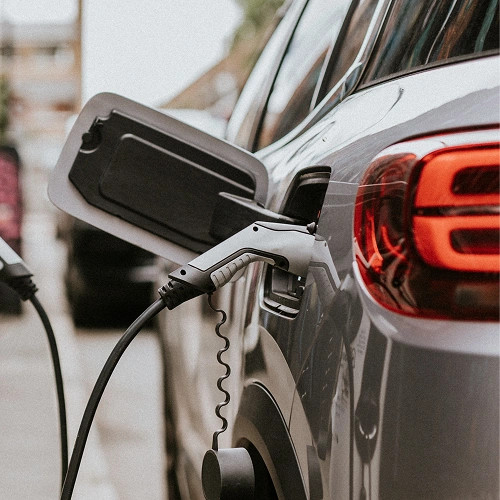
Commercial EV charging systems provide on-site electric vehicle charging for customers, staff and fleet vehicles. These systems are designed to handle higher usage, faster charging speeds and scalable deployment across commercial and industrial sites.
Built for Commercial Demand
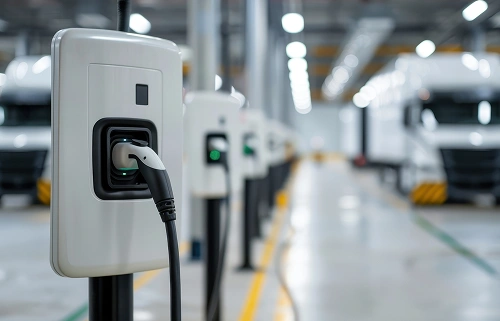
Designed for performance, scalability and consistent daily use across commercial sites. Engineered to support high traffic volumes, fleet charging and future expansion as EV adoption increases.

Fast charging capability
Deliver rapid charging for high-traffic sites.
Scalable infrastructure
Expand charging as demand grows.

Project Delivery
What’s Involved in EV Charger Installation?
Commercial EV charging requires planning around power capacity, site layout and usage demand. TSP Energy manages design, installation and commissioning to ensure reliable long-term performance.
Step 1
Site assessment
Evaluate electrical capacity and charger demand.
Step 2
System design
Plan charger locations, load management and layout.
Step 3
Installation
Install chargers, cabling and supporting infrastructure.
Step 4
Commissioning
Test systems and enable operational charging.
Energy Integration
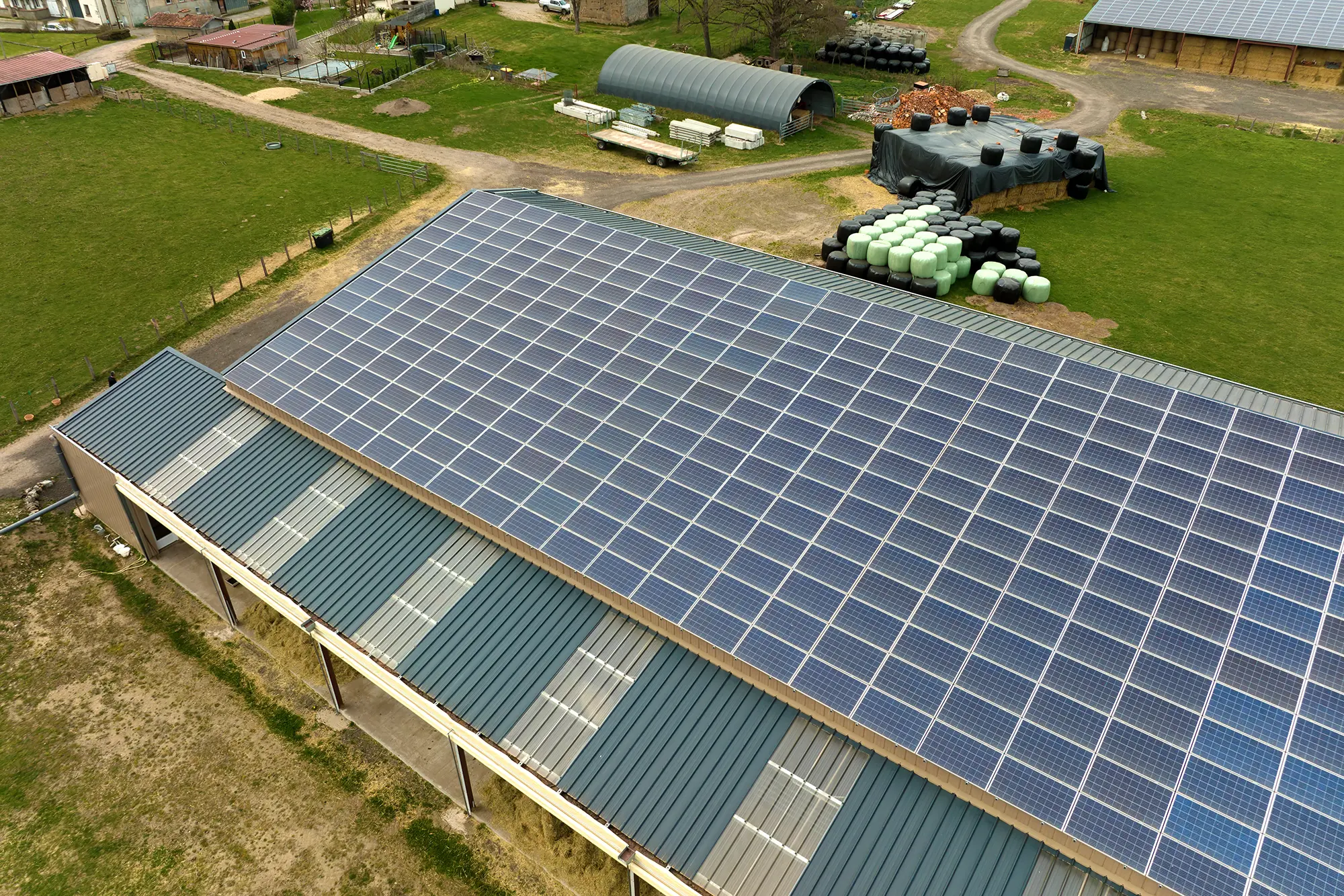
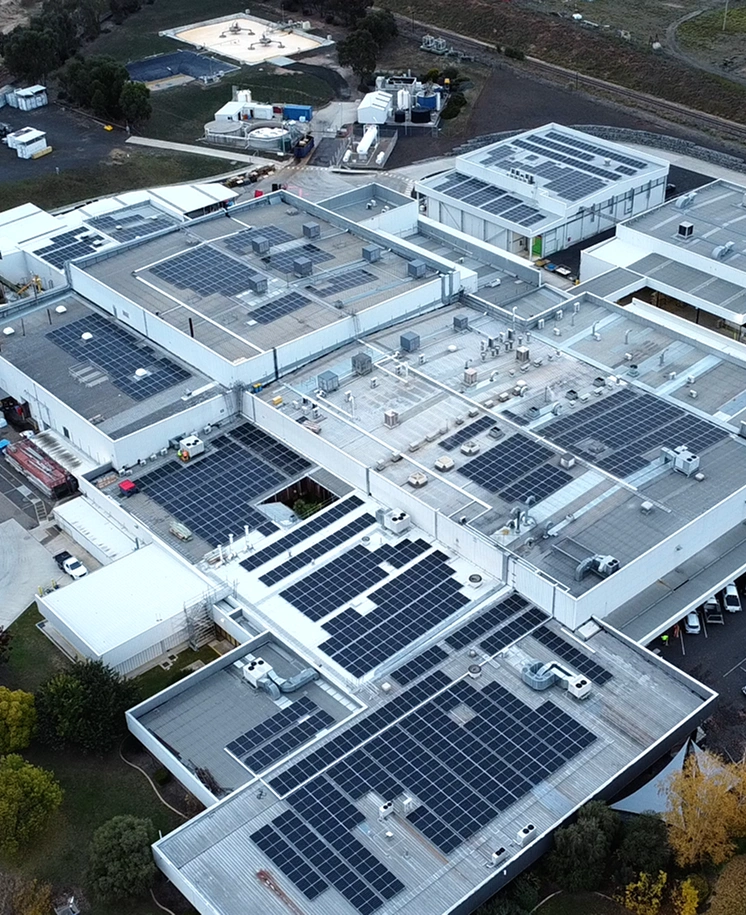
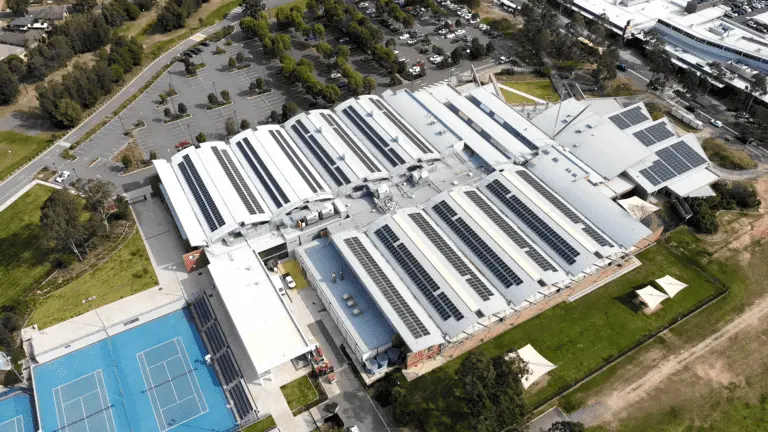
Pair EV Charging with Solar & Storage
EV charging can be integrated with solar and battery systems to reduce operating costs and improve energy control. Generating and storing energy onsite allows businesses to charge vehicles using lower-cost, renewable power.

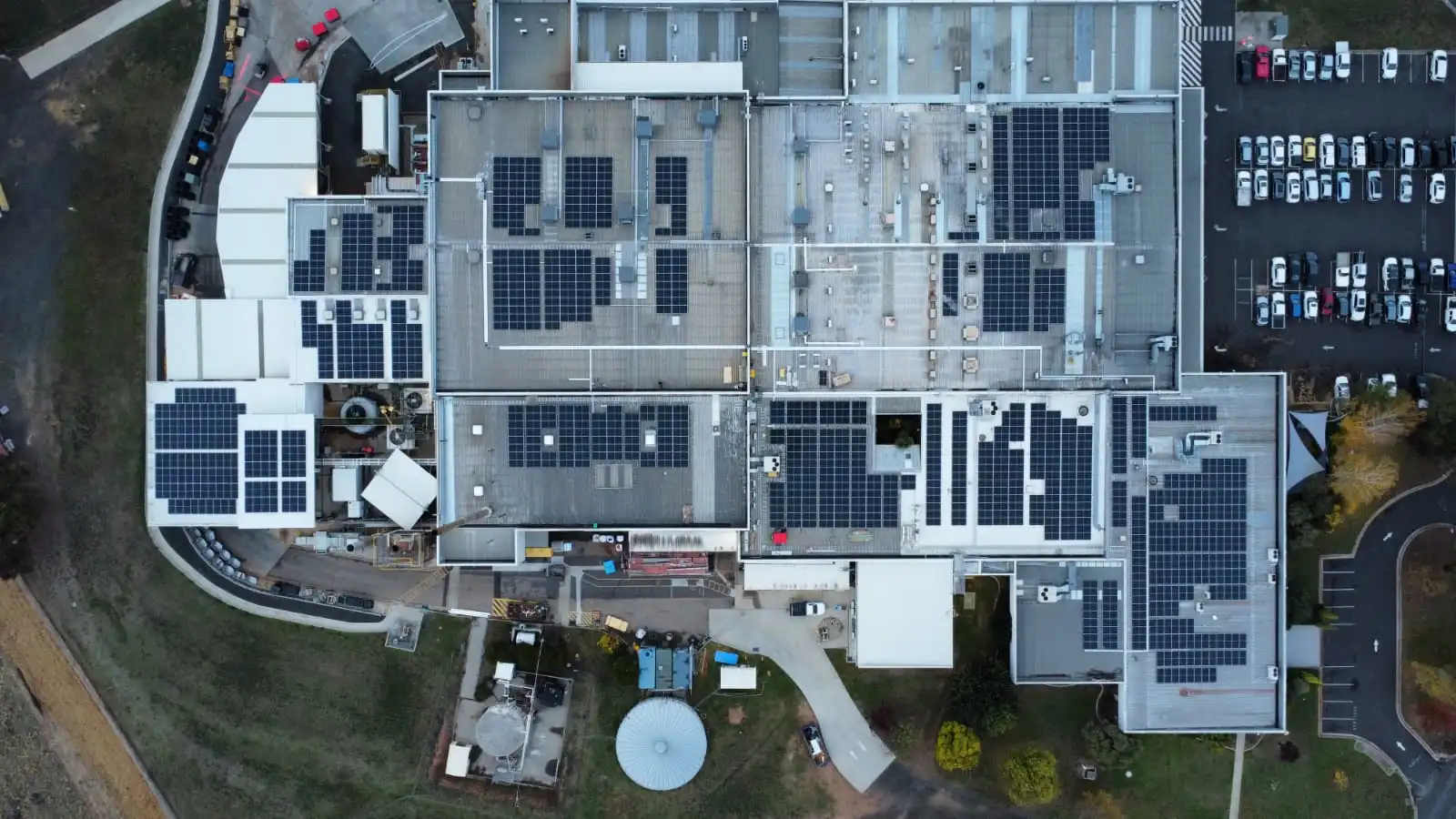
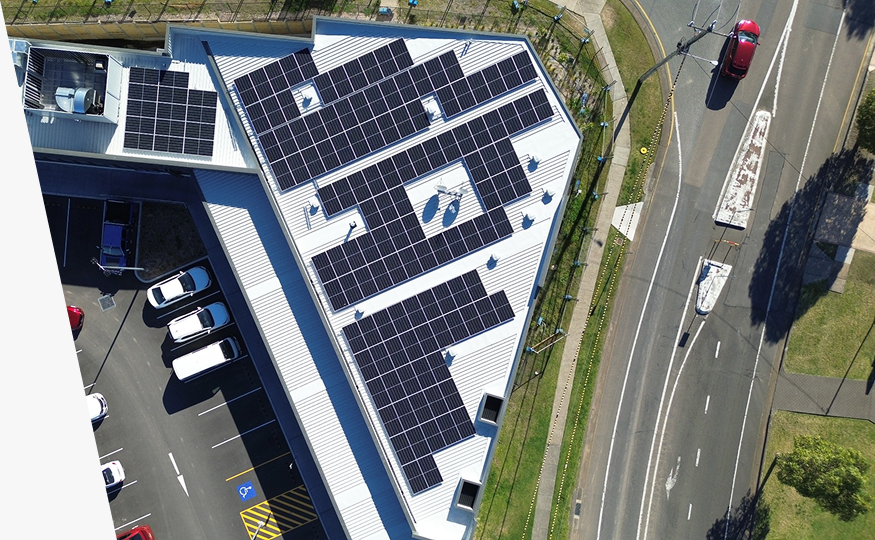
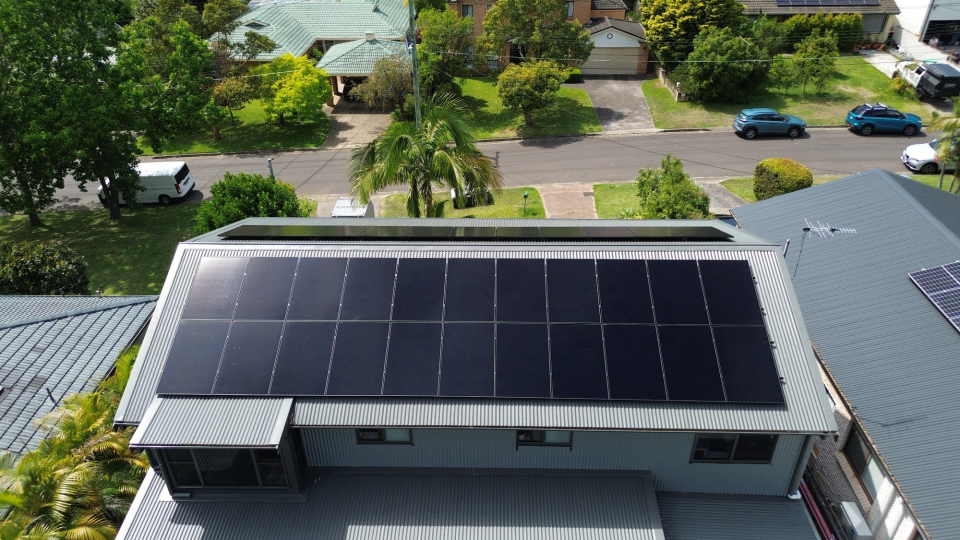
01. Solar + EV charging
Use solar to power vehicles and reduce grid consumption.

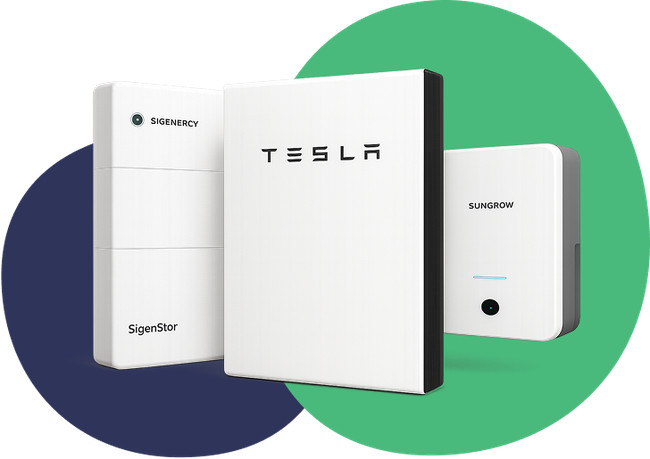
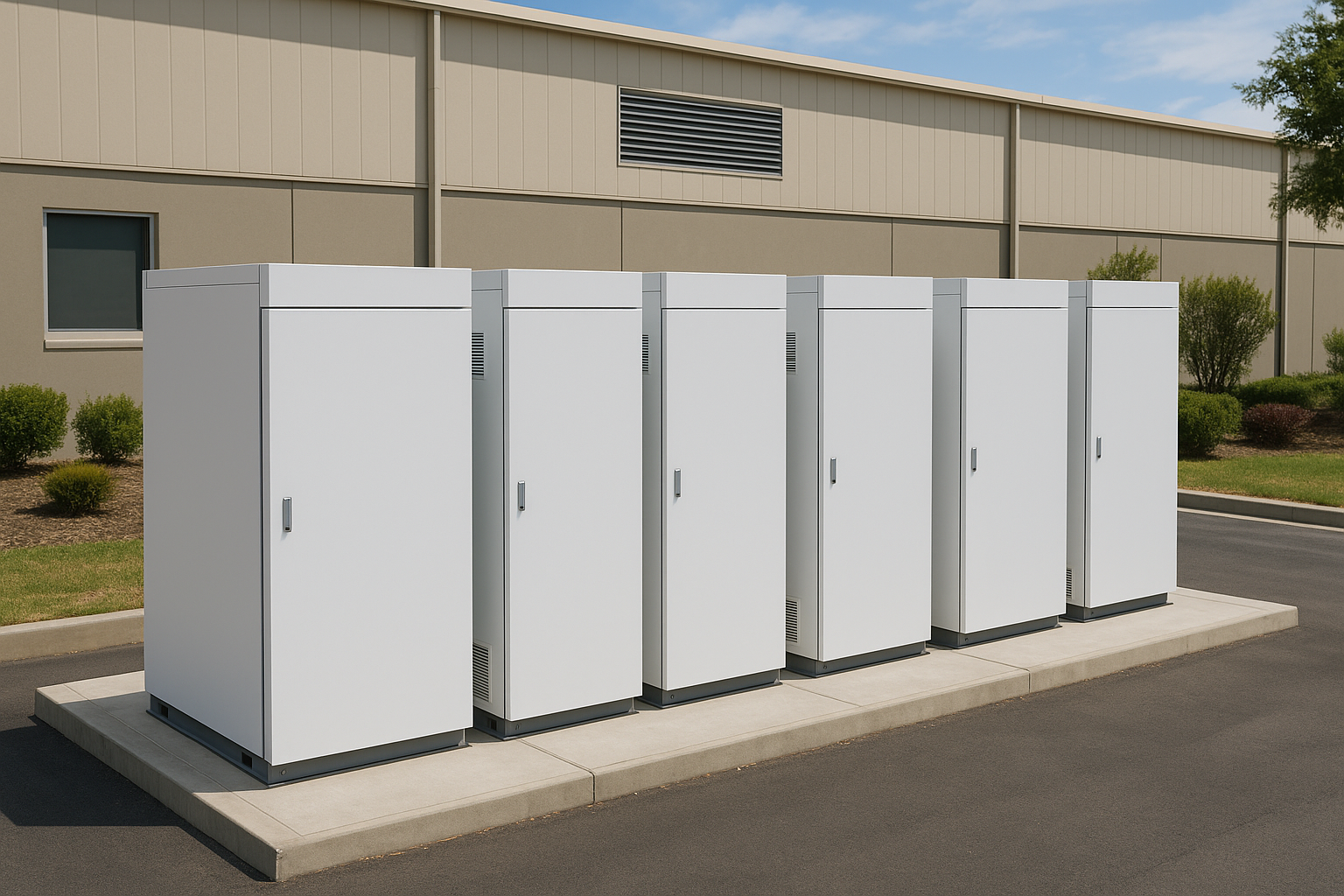
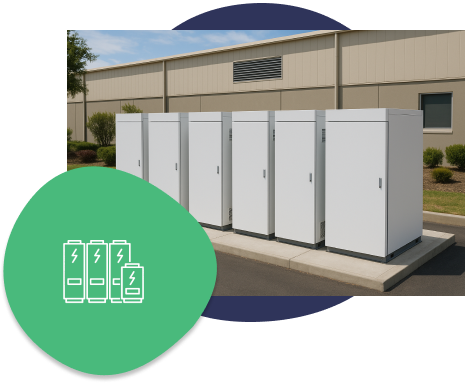
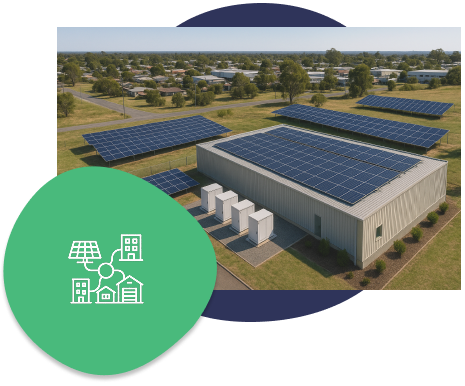
02. Battery storage + EV
Store excess energy and charge vehicles during peak demand.

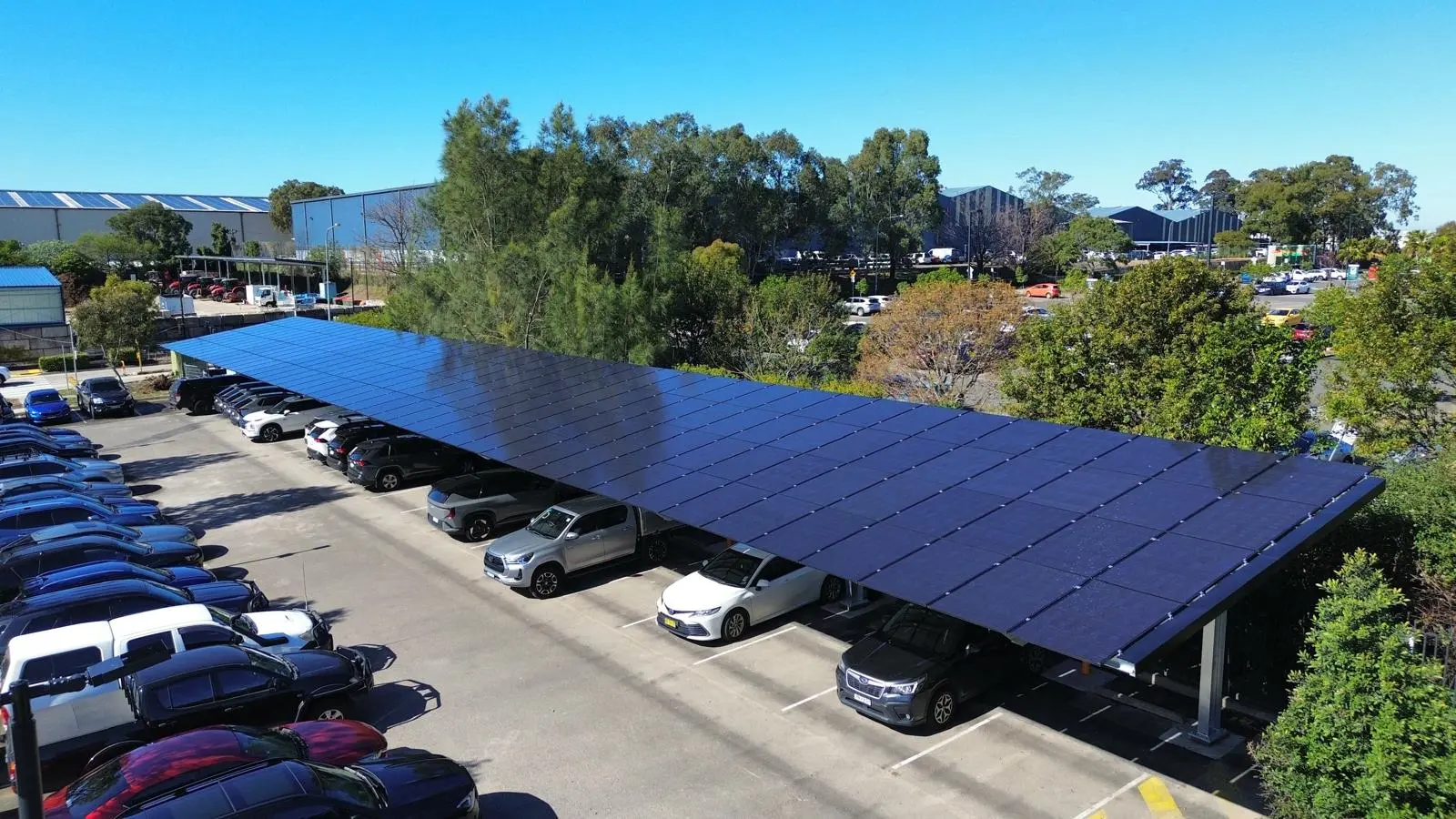
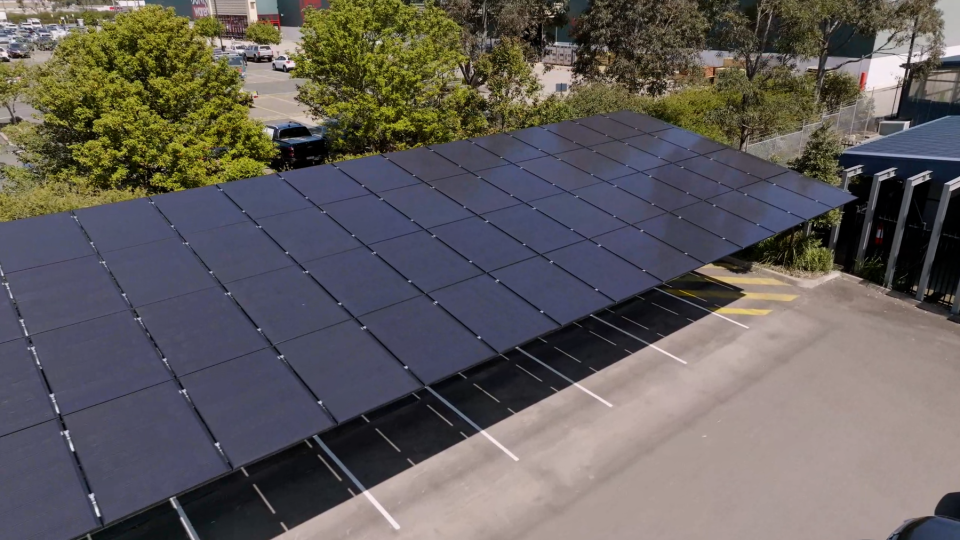
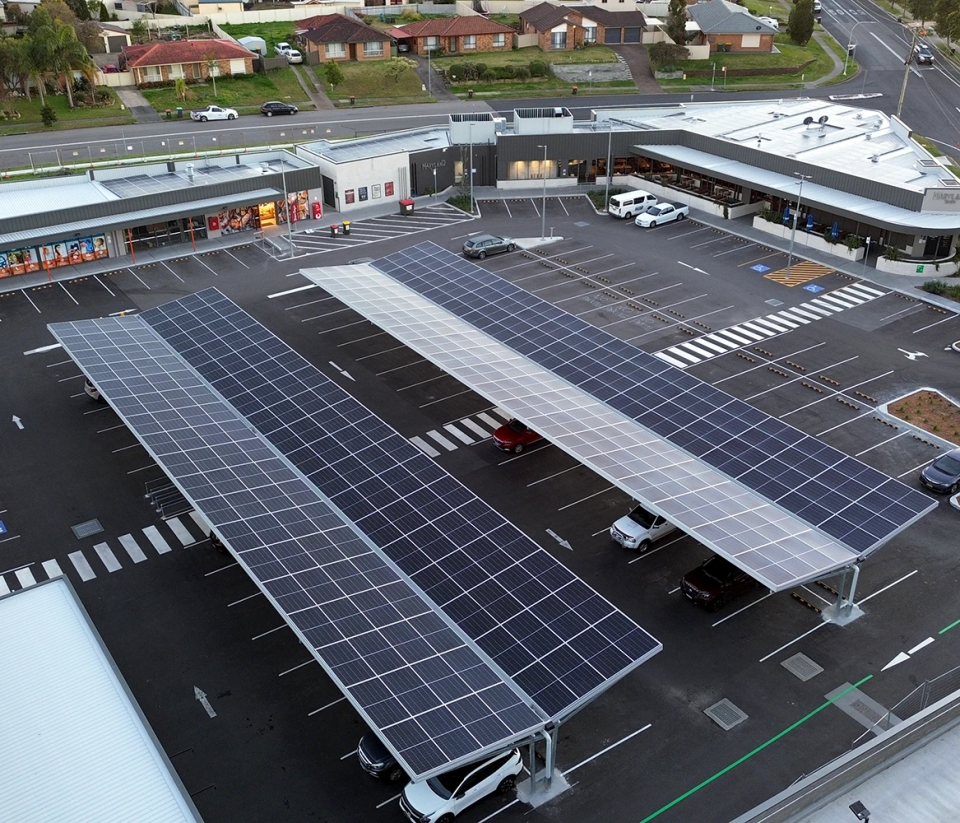
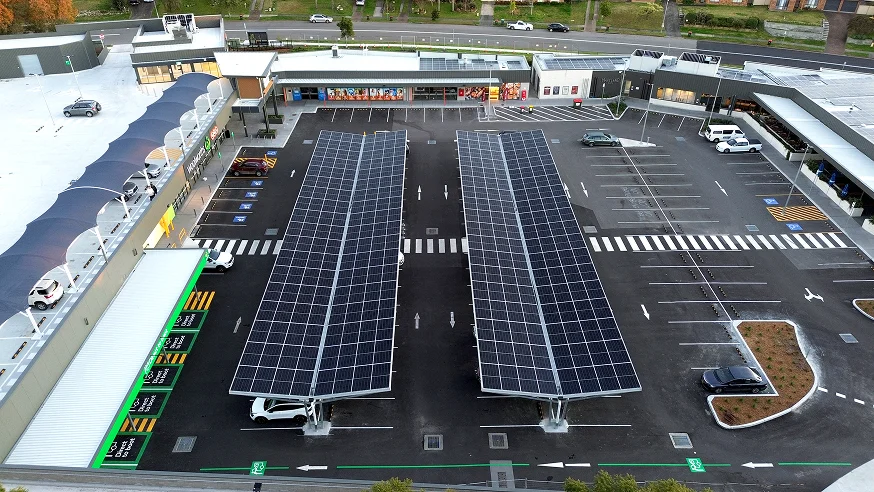
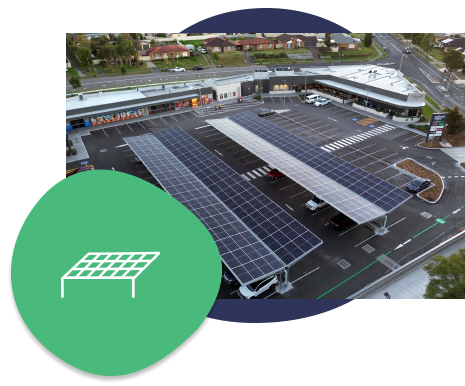
03. Solar carports + EV
Combine EV charging with covered parking and onsite generation.

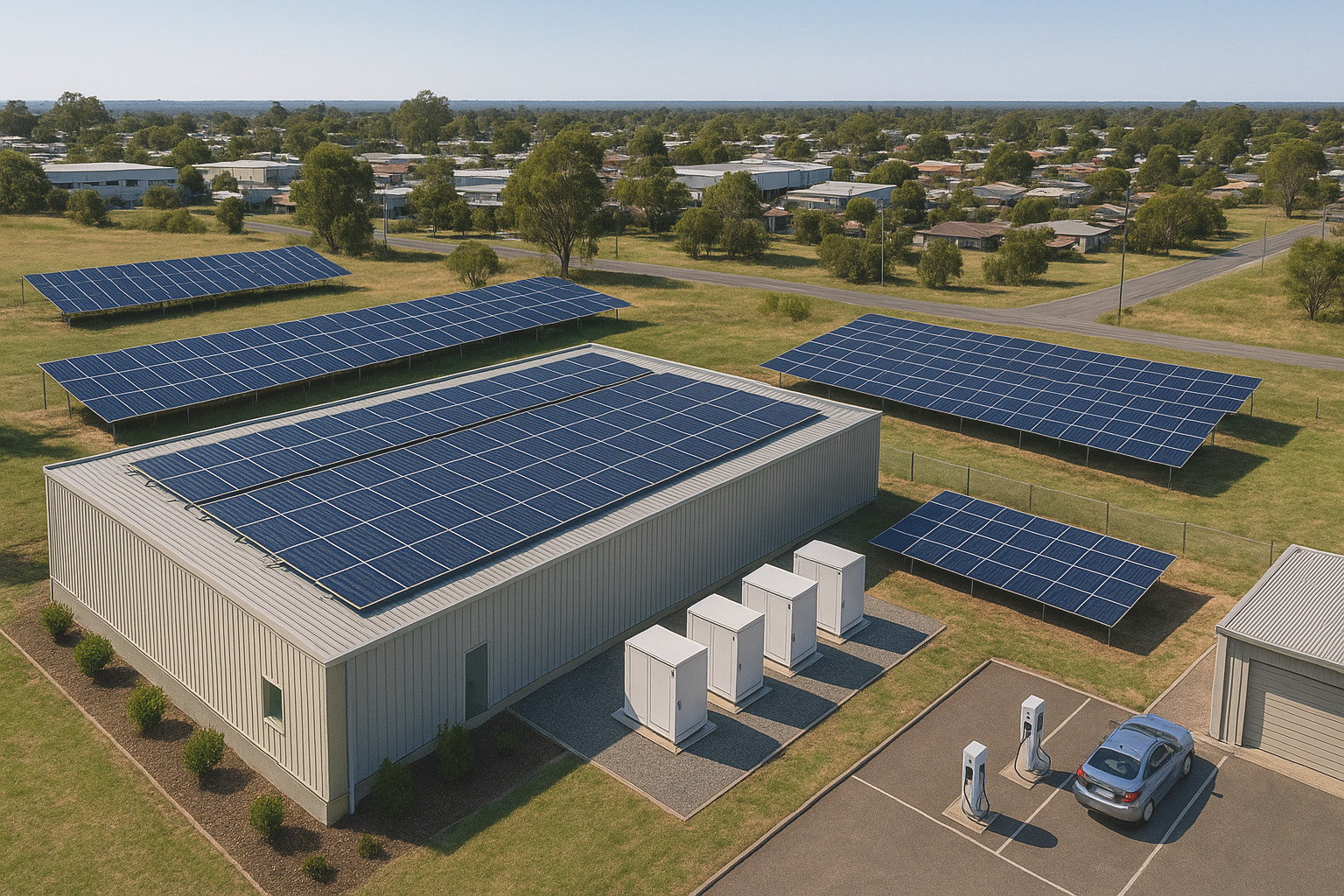
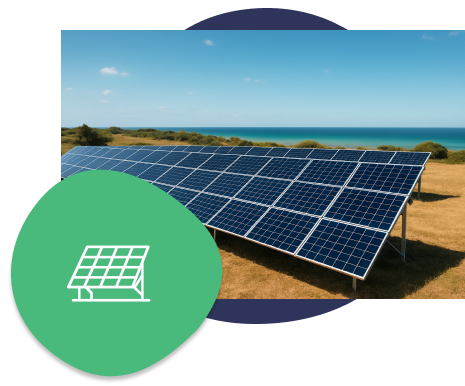
04. Ground mount solar + EV
Scale energy supply for high-demand charging infrastructure.




Commercial EV Charger FAQs
Commercial EV chargers allow businesses to provide electric vehicle charging for customers, employees, tenants, and fleet vehicles. Chargers can be installed in car parks, retail centres, workplaces, and commercial facilities to support the growing number of electric vehicles on the road.
Yes. Many businesses install EV chargers to support company vehicle fleets. On-site charging allows organisations to reduce fuel costs, control charging schedules, and operate vehicles more efficiently without relying on public charging networks.
Yes. EV charging can be provided for customers, visitors, or tenants at commercial sites such as shopping centres, offices, and hospitality venues. Offering reliable charging infrastructure can attract EV drivers and increase dwell time at the location.
Commercial installations typically use Level 2 AC chargers or fast DC chargers depending on the location and charging demand. The right charger type is selected based on site power capacity, vehicle usage, and expected charging times.
Yes. EV chargers can be integrated with solar systems to generate renewable electricity for vehicle charging. This allows businesses to reduce grid electricity consumption and lower the operating cost of EV charging infrastructure.
Get a Commercial EV Charging Quote
Speak with our team to design and install EV charging tailored to your site, usage and long-term energy strategy.