













[project_hero]

Kurrajong 100 kW Second Life Solar Reuse Project

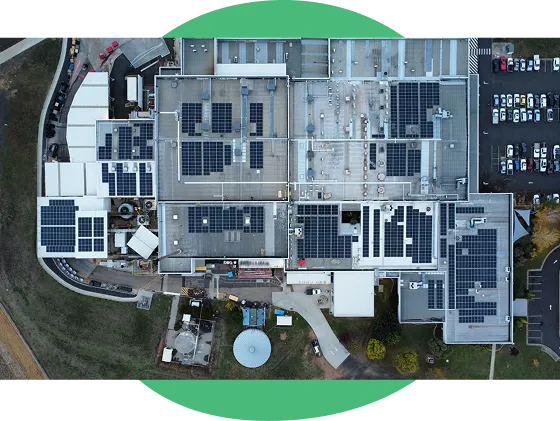
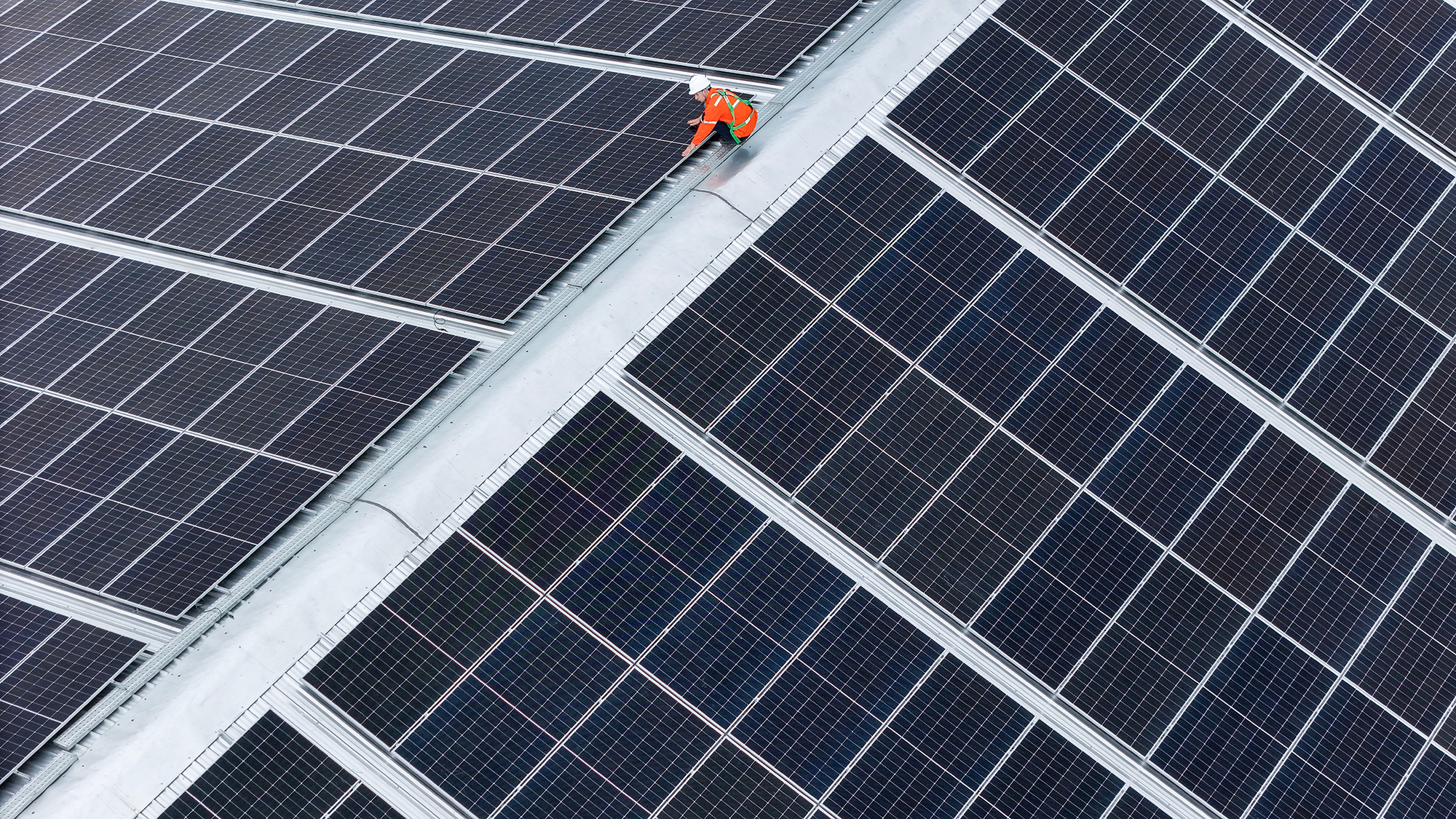
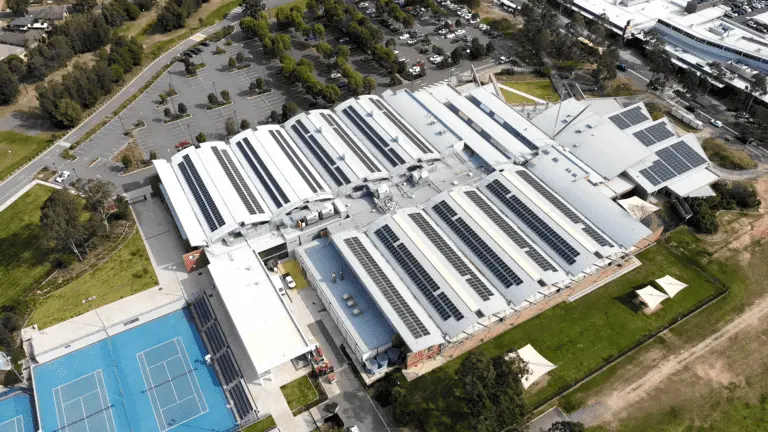
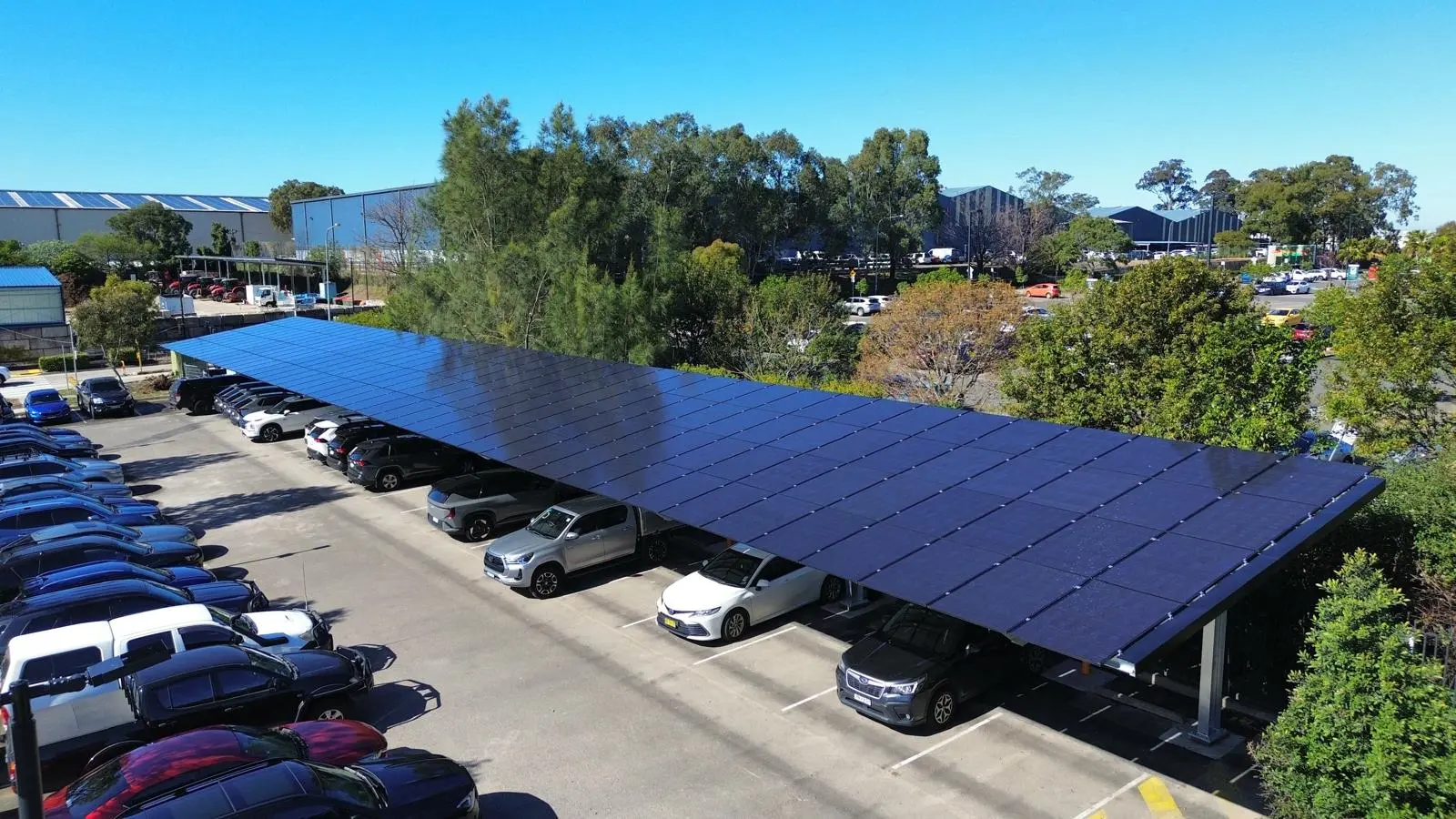
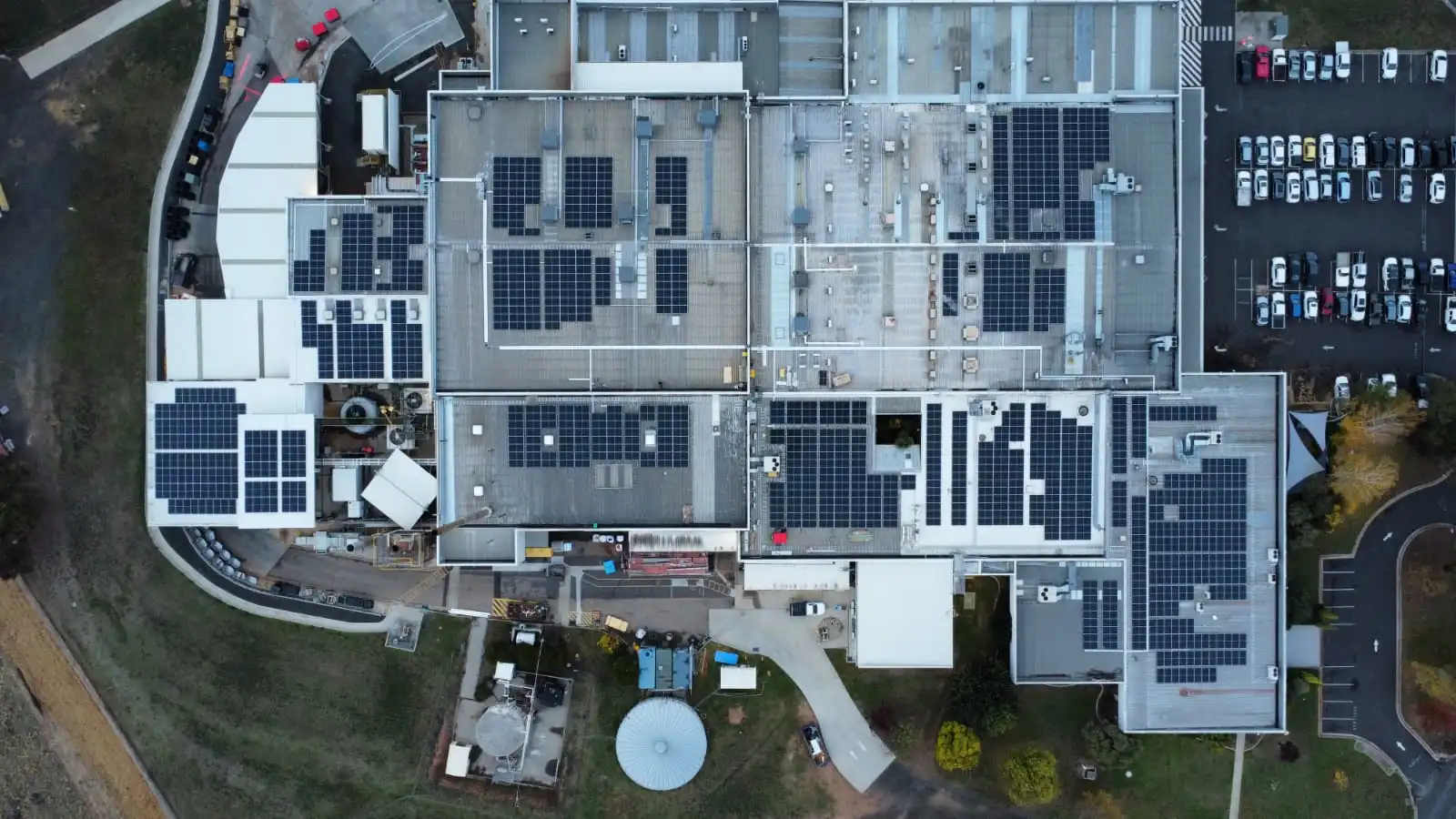
Australia’s largest operational solar installation built using 100% reused solar panels, proving that circular economy solar can deliver real-world performance at commercial scale.

Kurrajong 100 kW Second Life Solar Reuse Project

Australia’s largest operational solar installation built using 100% reused solar panels, proving that circular economy solar can deliver real-world performance at commercial scale.

The Challenge
Australia’s solar industry is entering a new era, not just in deployment, but in decommissioning.

Across rooftops and commercial assets, panels are increasingly being removed before true end-of-life, often because roof space is valuable and newer modules deliver higher power density and improved efficiency. As technology evolves quickly, more sites will repower early to maximise production, leaving behind large volumes of panels that still have years of functional life remaining.

The challenge isn’t simply what to do with solar waste. It’s how to prevent serviceable panels and inverters from going to landfill, while ensuring second-life solar is delivered with the technical confidence, safety controls, and engineering discipline required in real-world commercial environments.

For Kurrajong Recycling Facility, this challenge was particularly meaningful. As a recycling operation committed to sustainability, the site needed a solution that didn’t just talk about circular economy outcomes. It had to demonstrate them in operation with a system that could be trusted, engineered, and maintained like any other commercial solar installation


The Solution
TSP Energy delivered the Kurrajong 100 kW Reuse Project as a live proof point that solar panel reuse at scale is achievable, practical, and scalable when you combine proper testing, compliant engineering, and the right delivery partner.

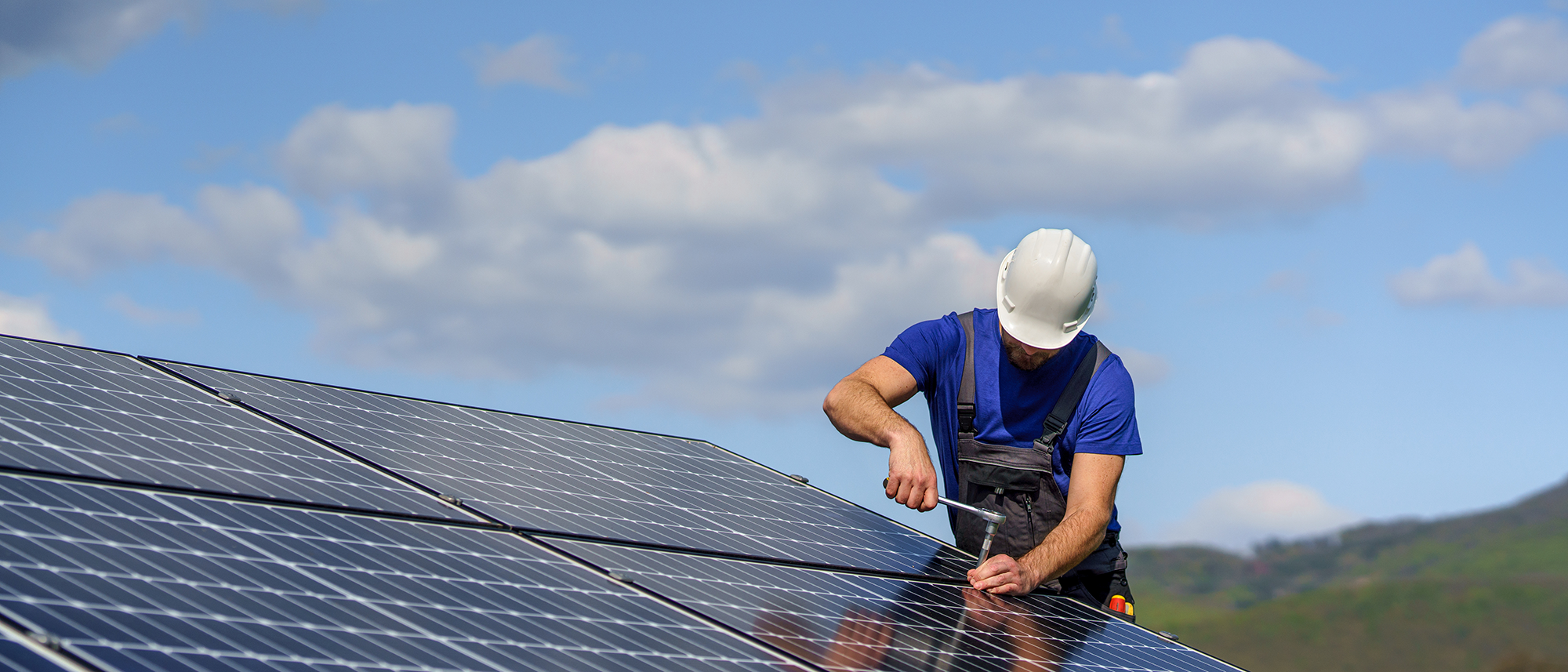
This project was delivered using 100% reused solar panels, sourced from aged systems removed from real project sites and redirected away from landfill, giving modules a second life where they can continue generating clean energy for years to come.

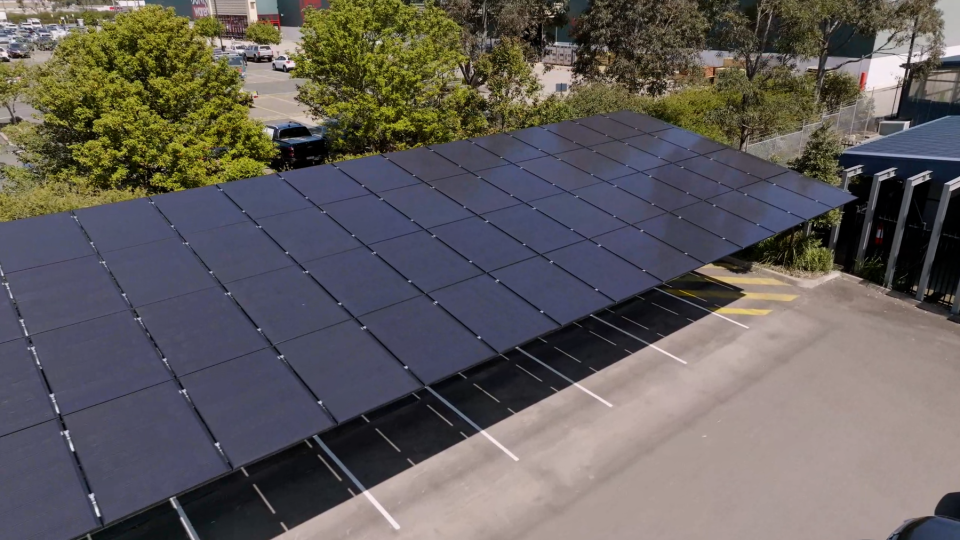
A key innovation was that the system included six different panel types, reflecting the real nature of reuse feedstock. It does not arrive as a perfect matched set. Instead of treating this as a limitation, the project was engineered to prove that a mixed fleet of modules can still perform reliably when paired with the right design approach.

Working in collaboration with CSIRO and Blue Tribe Co, the project validated reuse feasibility by testing panels for remaining life and demonstrating how engineering design and electronics can overcome mismatch challenges.

Due to the different electrical characteristics across the panel types, a mixture of SolarEdge S1000 and S1200 optimisers were used to support the array configuration and overall system performance.

This wasn’t just a solar installation. It was a circular economy milestone that turns potential waste into a usable asset.


Engineering & Project Management

This project represents what modern renewable energy delivery needs to look like: full lifecycle thinking, backed by engineering discipline.

TSP Energy’s delivery approach focused on ensuring that the reuse system was tested and validated, engineered for real-world conditions, designed to manage mixed module performance using modern system architecture, and delivered in a way that can be replicated across future commercial reuse deployments.

The project used second-life modules as feedstock from solar upgrades and repowering works, where older systems are removed and replaced with newer, higher-efficiency technology. That reality is increasing across the market, and this project positioned Kurrajong, and the broader industry, ahead of the curve by proving what’s possible when reuse is treated as a serious engineering outcome, not an afterthought.

This project also demonstrates the broader capability of TSP Energy across the full renewable asset lifecycle. We are not only an installer. We support clients through solar upgrades, asset removal, repowering strategies, system redesign, and long-term stewardship of what happens to equipment after it comes off a roof.

As more commercial sites move toward early repowering, solutions like this will become increasingly important. The industry needs partners who can deliver new infrastructure, but also take responsibility for what happens to the old.


Sustainable Solar Through Smart Reuse

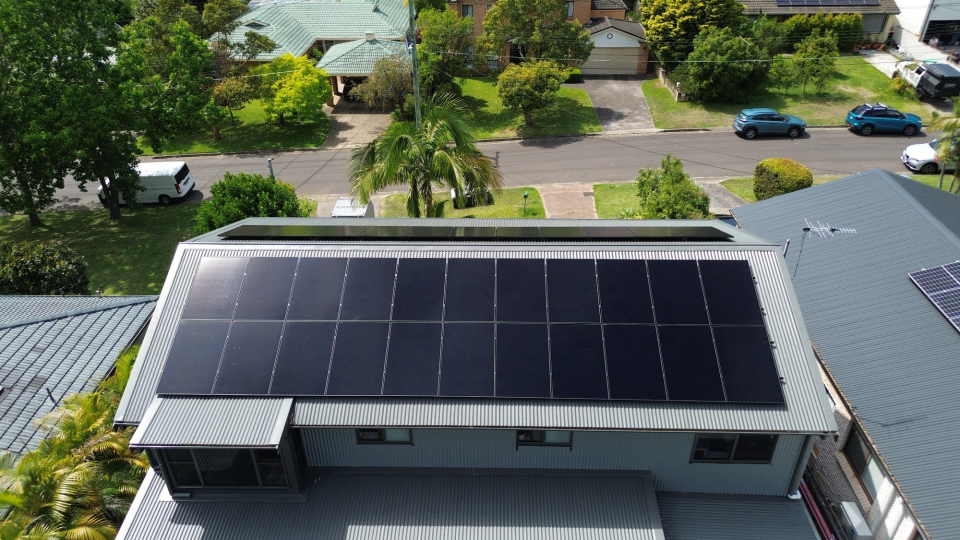
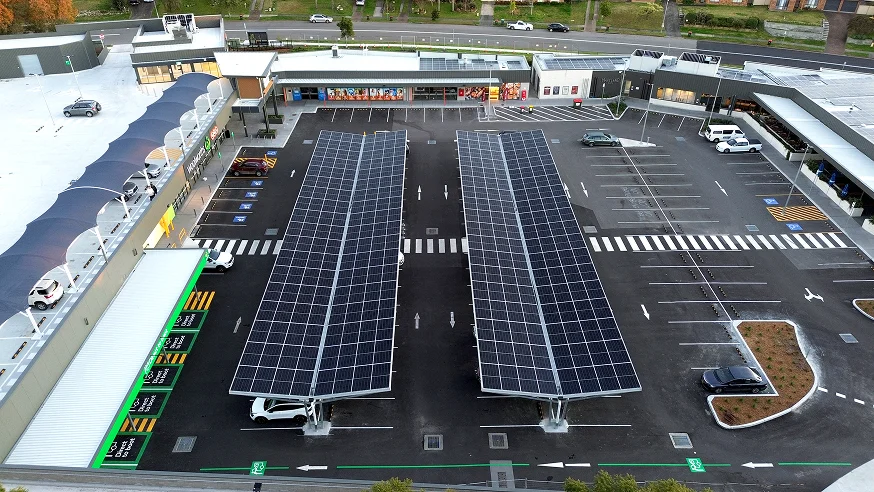
The Kurrajong 100 kW Reuse Project is a practical example of how TSP Energy delivers renewable energy projects with the full lifecycle in mind from day dot. Built using reused panels sourced from repowering and upgrade works, the system shows how solar assets can be kept in circulation longer through smart engineering and a responsible delivery mindset. With six different panel types incorporated into one design, the project required a creative approach to string configuration, which was achieved using SolarEdge DC optimisers to manage performance across mixed modules. The system is expected to generate approximately 145,000 to 165,000 kWh of electricity per year, supporting meaningful onsite savings and reducing reliance on grid energy. Based on typical Australian grid emissions factors, the project is estimated to reduce carbon emissions by approximately 120 to 150 tonnes of CO2 per year, while also helping prevent functional solar equipment from being prematurely discarded.

Recognition

The Kurrajong 100 kW Reuse Project was recognised at the Smart Energy Excellence Awards, winning Excellence in Stewardship, highlighting industry leadership in responsible renewable energy delivery and circular economy thinking.

Media for the project as below

https://www.facebook.com/watch/?v=1810234862964753

https://www.energy.nsw.gov.au/business-and-industry/stories-success-business/second-life-solar

https://www.facebook.com/AustSmartNRG/posts/smartenergyexcellenceawards-we-believe-that-creating-a-truly-sustainable-energy-/1211870350952020

100kW (reused solar PV system)
Wagga Wagga, NSW
145000 to 165000 kWh per year
Recycling, Resource Recovery, Circular Economy Infrastructure
August 2024
Commercial and Industrial
  • Commercial Solar
  • Full Lifecycle
  • Recycling

Kurrajong 100 kW Second Life Solar Reuse Project

Australia’s largest operational solar installation built using 100% reused solar panels, proving that circular economy solar can deliver real-world performance at commercial scale.

The Challenge
Australia’s solar industry is entering a new era, not just in deployment, but in decommissioning.

Across rooftops and commercial assets, panels are increasingly being removed before true end-of-life, often because roof space is valuable and newer modules deliver higher power density and improved efficiency. As technology evolves quickly, more sites will repower early to maximise production, leaving behind large volumes of panels that still have years of functional life remaining.

The challenge isn’t simply what to do with solar waste. It’s how to prevent serviceable panels and inverters from going to landfill, while ensuring second-life solar is delivered with the technical confidence, safety controls, and engineering discipline required in real-world commercial environments.

For Kurrajong Recycling Facility, this challenge was particularly meaningful. As a recycling operation committed to sustainability, the site needed a solution that didn’t just talk about circular economy outcomes. It had to demonstrate them in operation with a system that could be trusted, engineered, and maintained like any other commercial solar installation


The Solution
TSP Energy delivered the Kurrajong 100 kW Reuse Project as a live proof point that solar panel reuse at scale is achievable, practical, and scalable when you combine proper testing, compliant engineering, and the right delivery partner.

This project was delivered using 100% reused solar panels, sourced from aged systems removed from real project sites and redirected away from landfill, giving modules a second life where they can continue generating clean energy for years to come.

A key innovation was that the system included six different panel types, reflecting the real nature of reuse feedstock. It does not arrive as a perfect matched set. Instead of treating this as a limitation, the project was engineered to prove that a mixed fleet of modules can still perform reliably when paired with the right design approach.

Working in collaboration with CSIRO and Blue Tribe Co, the project validated reuse feasibility by testing panels for remaining life and demonstrating how engineering design and electronics can overcome mismatch challenges.

Due to the different electrical characteristics across the panel types, a mixture of SolarEdge S1000 and S1200 optimisers were used to support the array configuration and overall system performance.

This wasn’t just a solar installation. It was a circular economy milestone that turns potential waste into a usable asset.


Engineering & Project Management

This project represents what modern renewable energy delivery needs to look like: full lifecycle thinking, backed by engineering discipline.

TSP Energy’s delivery approach focused on ensuring that the reuse system was tested and validated, engineered for real-world conditions, designed to manage mixed module performance using modern system architecture, and delivered in a way that can be replicated across future commercial reuse deployments.

The project used second-life modules as feedstock from solar upgrades and repowering works, where older systems are removed and replaced with newer, higher-efficiency technology. That reality is increasing across the market, and this project positioned Kurrajong, and the broader industry, ahead of the curve by proving what’s possible when reuse is treated as a serious engineering outcome, not an afterthought.

This project also demonstrates the broader capability of TSP Energy across the full renewable asset lifecycle. We are not only an installer. We support clients through solar upgrades, asset removal, repowering strategies, system redesign, and long-term stewardship of what happens to equipment after it comes off a roof.

As more commercial sites move toward early repowering, solutions like this will become increasingly important. The industry needs partners who can deliver new infrastructure, but also take responsibility for what happens to the old.


Sustainable Solar Through Smart Reuse

The Kurrajong 100 kW Reuse Project is a practical example of how TSP Energy delivers renewable energy projects with the full lifecycle in mind from day dot. Built using reused panels sourced from repowering and upgrade works, the system shows how solar assets can be kept in circulation longer through smart engineering and a responsible delivery mindset. With six different panel types incorporated into one design, the project required a creative approach to string configuration, which was achieved using SolarEdge DC optimisers to manage performance across mixed modules. The system is expected to generate approximately 145,000 to 165,000 kWh of electricity per year, supporting meaningful onsite savings and reducing reliance on grid energy. Based on typical Australian grid emissions factors, the project is estimated to reduce carbon emissions by approximately 120 to 150 tonnes of CO2 per year, while also helping prevent functional solar equipment from being prematurely discarded.

Recognition

The Kurrajong 100 kW Reuse Project was recognised at the Smart Energy Excellence Awards, winning Excellence in Stewardship, highlighting industry leadership in responsible renewable energy delivery and circular economy thinking.

Media for the project as below

https://www.facebook.com/watch/?v=1810234862964753

https://www.energy.nsw.gov.au/business-and-industry/stories-success-business/second-life-solar

https://www.facebook.com/AustSmartNRG/posts/smartenergyexcellenceawards-we-believe-that-creating-a-truly-sustainable-energy-/1211870350952020

100kW (reused solar PV system)
Wagga Wagga, NSW
145000 to 165000 kWh per year
Recycling, Resource Recovery, Circular Economy Infrastructure
August 2024
Commercial and Industrial
  • Commercial Solar
  • Full Lifecycle
  • Recycling